Paolo Reversi - Doubts
I have to admit that I still find it slightly surreal that one of the world’s most important photography foundations is in A Coruña.
Not because A Coruña doesn’t deserve it. Quite the opposite. It’s more that when you think about fashion photography, you tend to think about Paris, Milan, London or New York, and probably not a port city in Galicia. So every time I go to the MOP, there’s a small part of me that still finds the whole thing slightly unexpected.
And I like that.
The Marta Ortega Pérez Foundation was established in 2022 with three things at its centre: A Coruña, photography and fashion. In a relatively short space of time, it has brought Peter Lindbergh, Steven Meisel, Helmut Newton, Irving Penn, David Bailey and Annie Leibovitz to the city, among others. The exhibitions are free, and there is also a strong educational side to the Foundation, including Future Stories, which supports young creatives at the beginning of their careers.
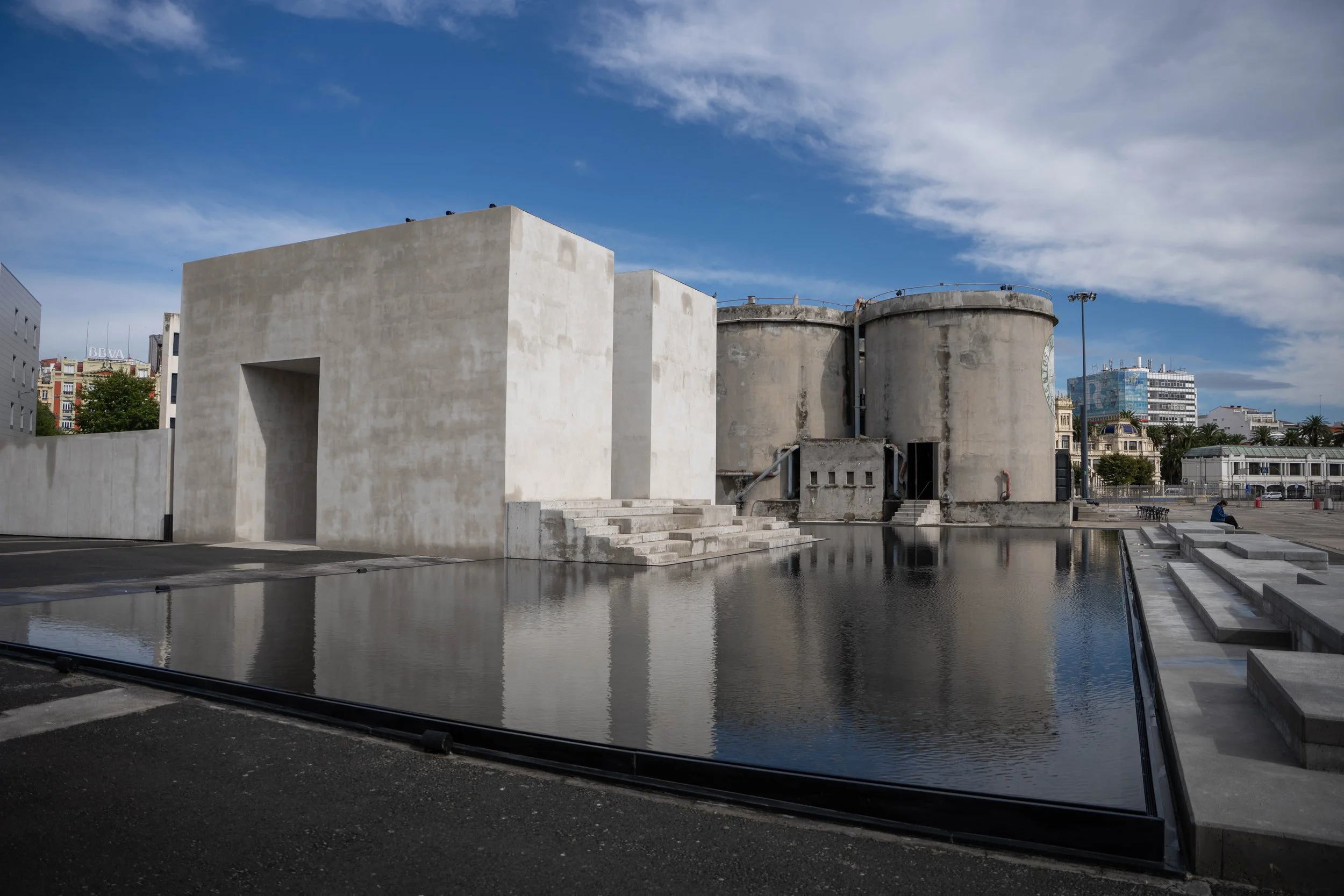
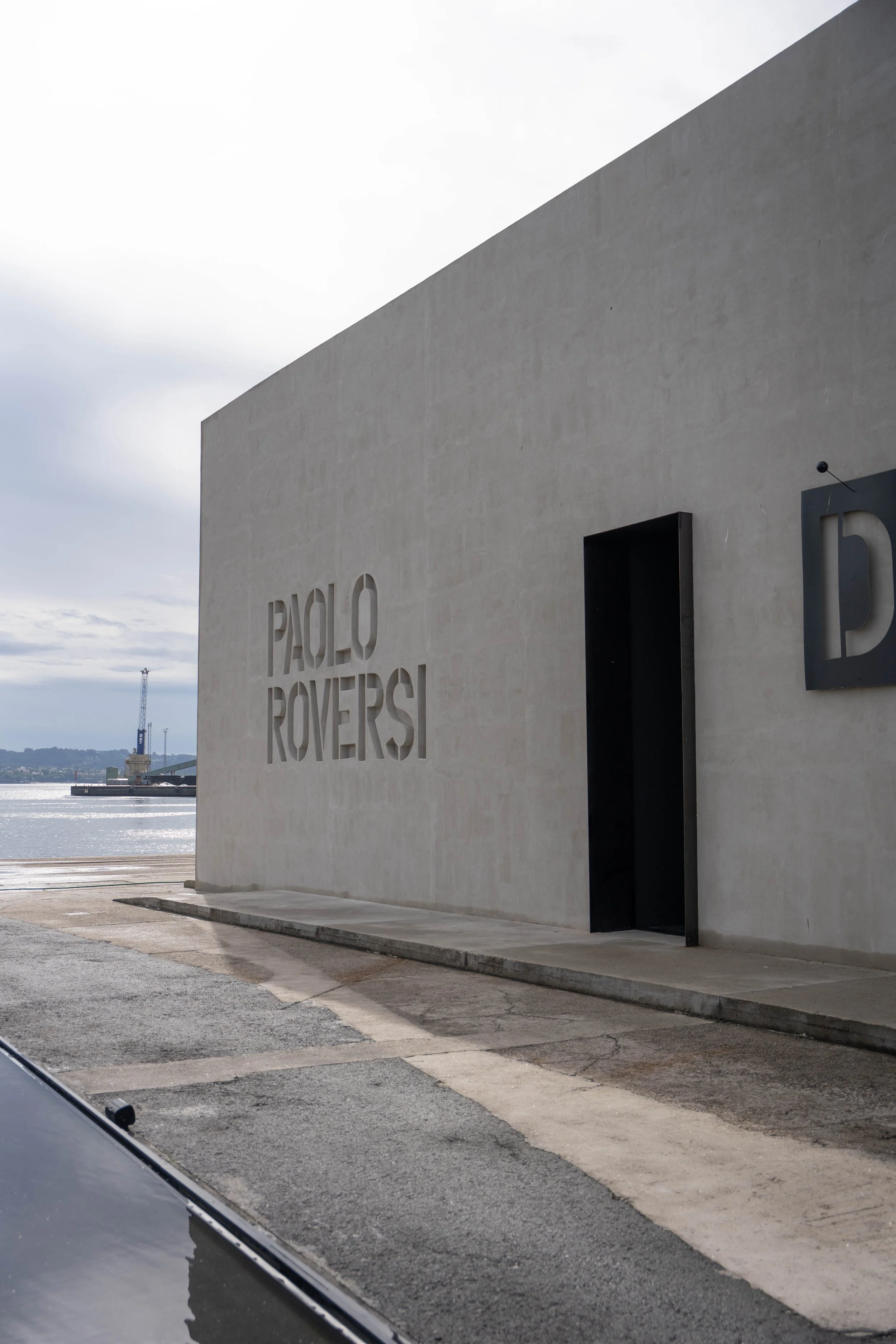
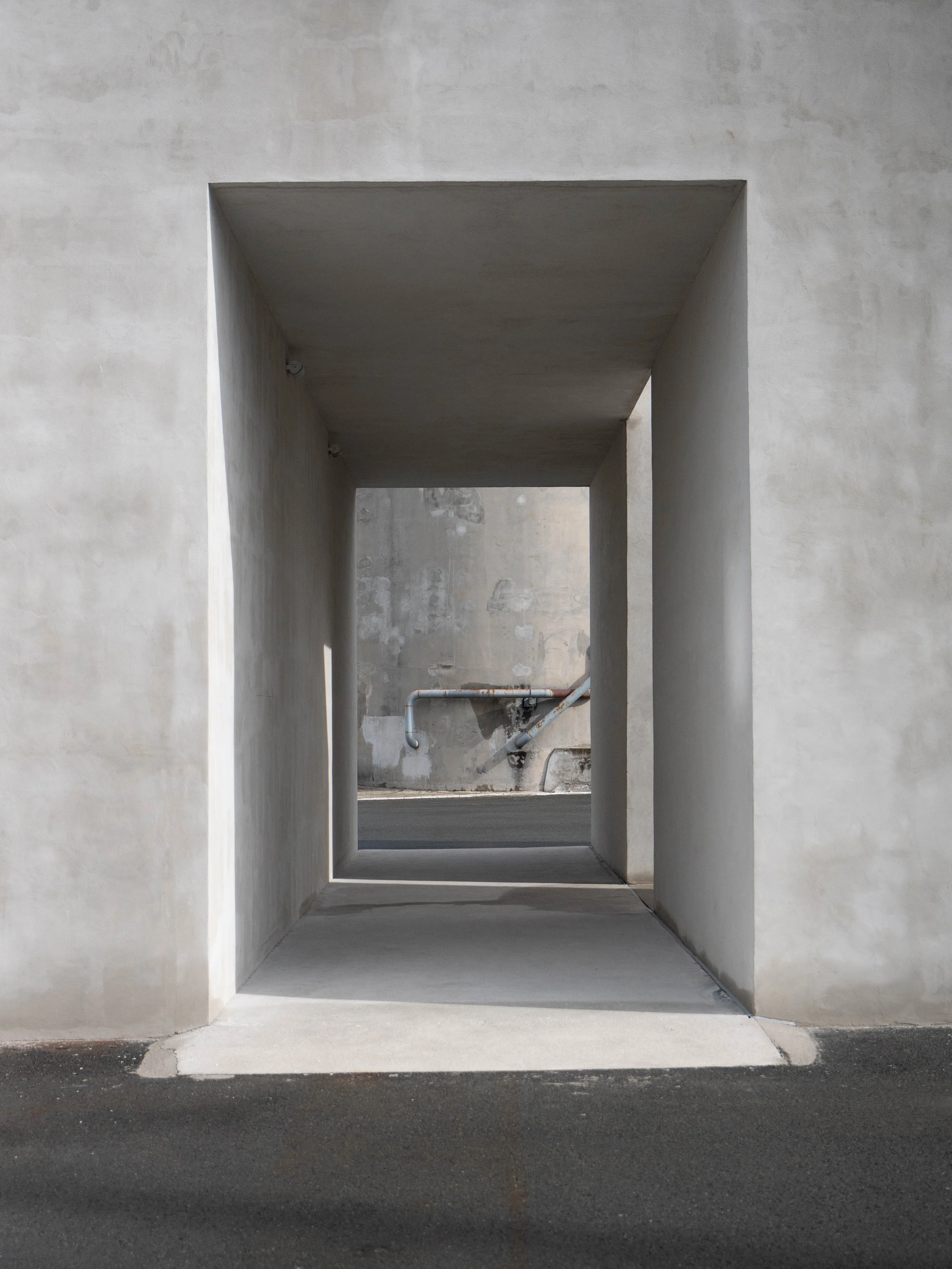
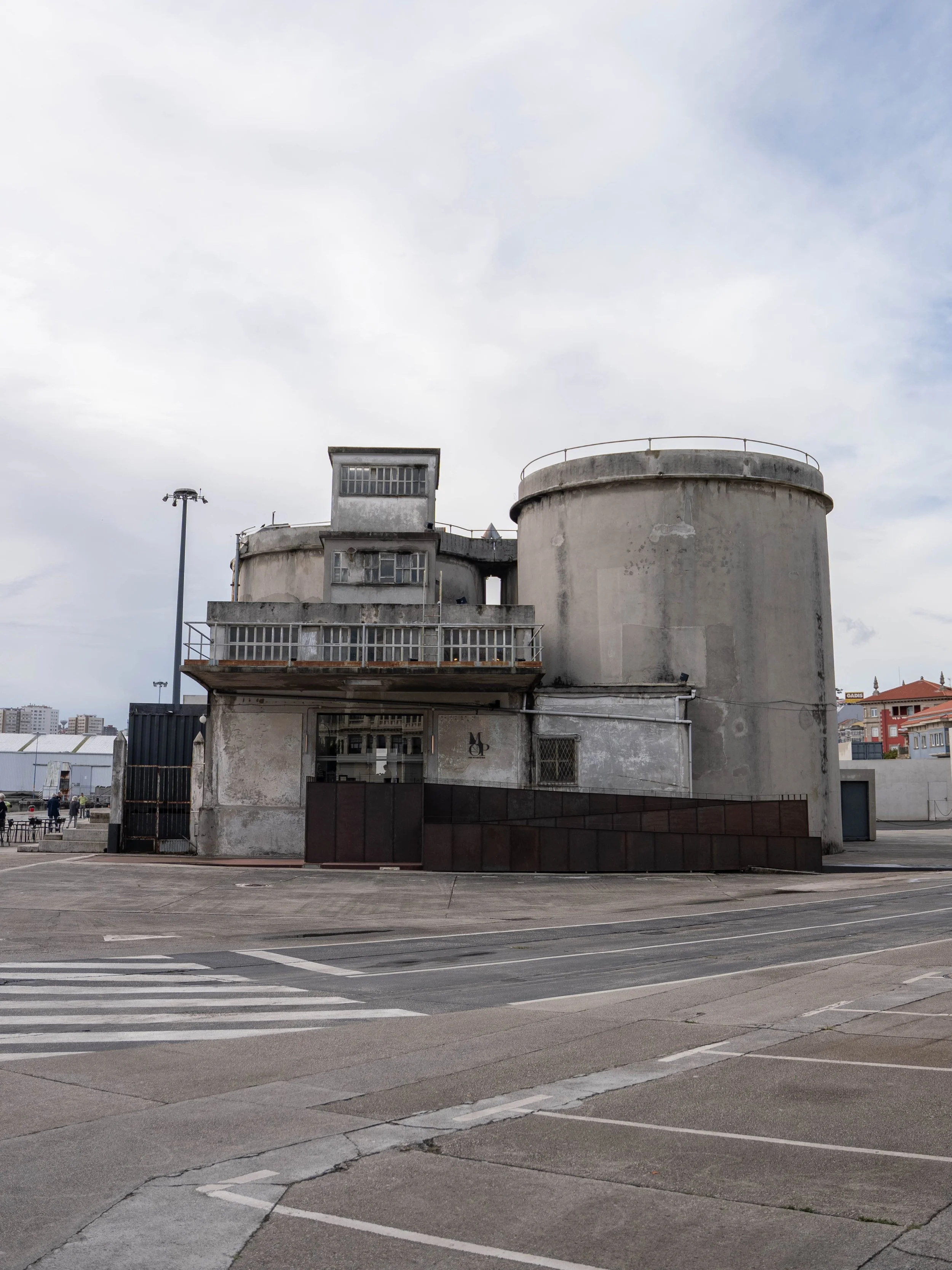
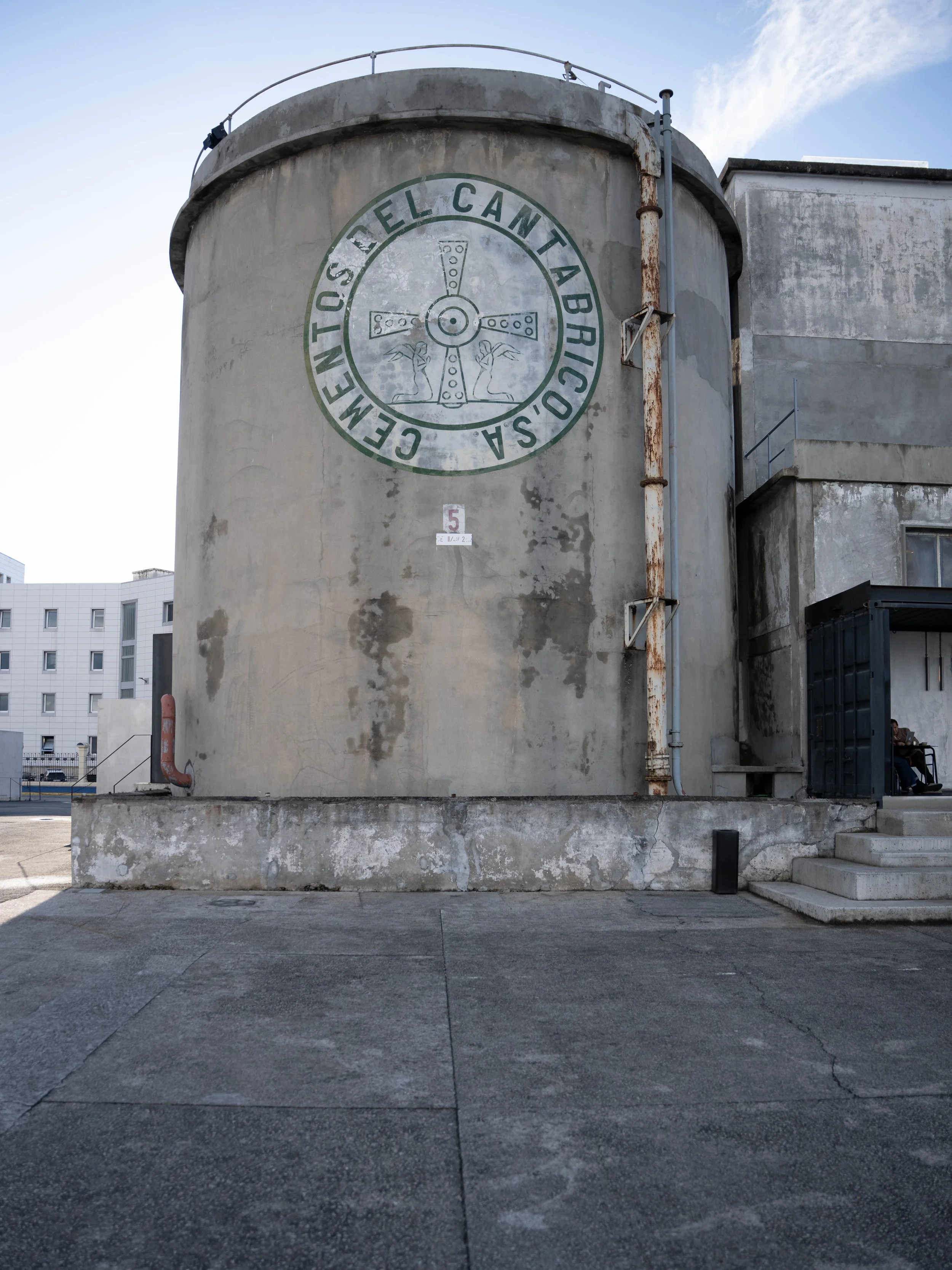
The MOP Centre itself is worth a visit even if you know absolutely nothing about photography. It occupies a former industrial space on the Muelle de Batería, restored by local architect Elsa Urquijo, and I really like the fact that it still feels like an old industrial building. There’s something much more interesting to me about a space that retains some evidence of what it used to be rather than one that has been completely polished and made anonymous.
Now there are photographs hanging where there used to be something else.
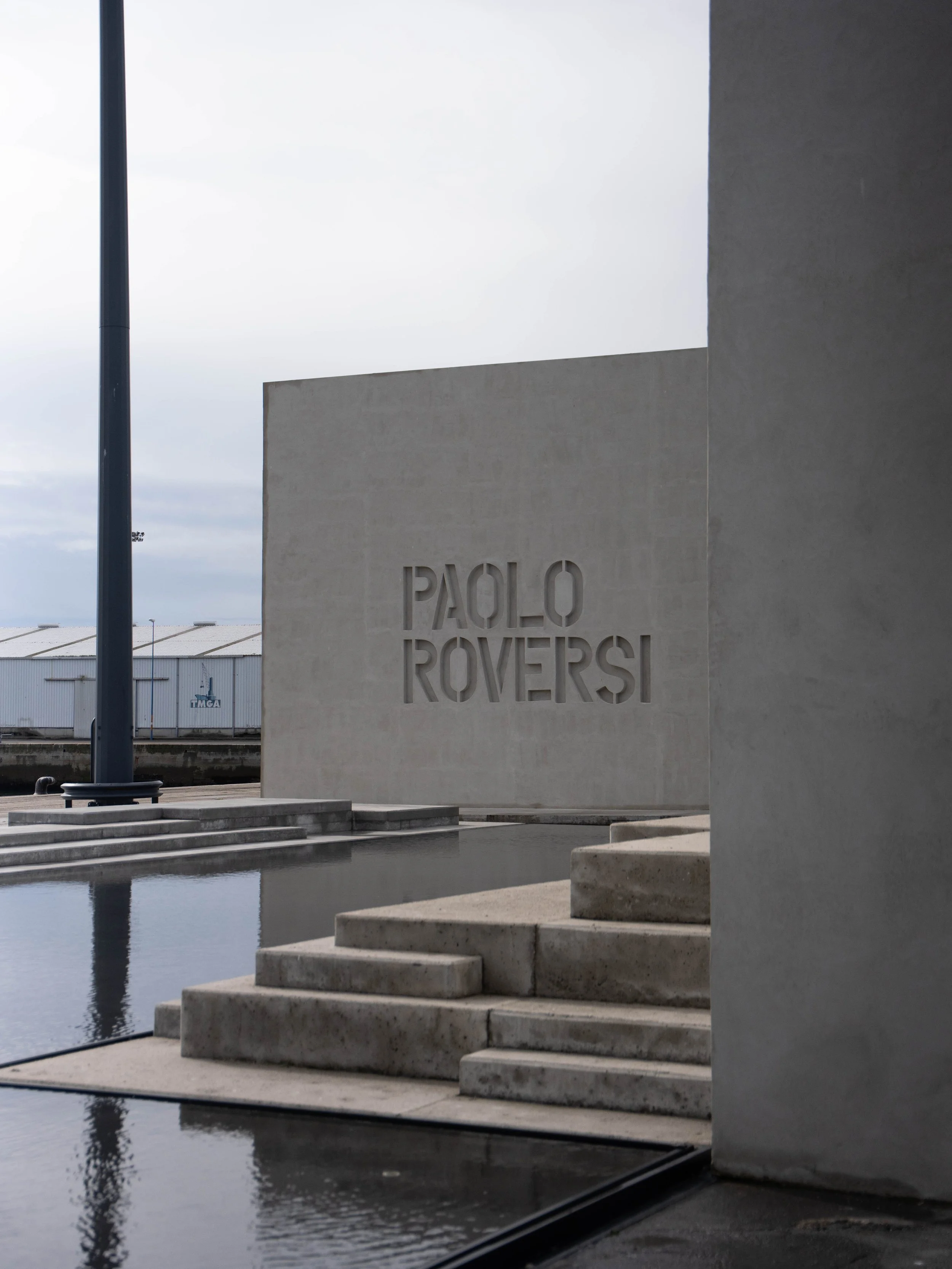
This summer, those photographs belong to Paolo Roversi.
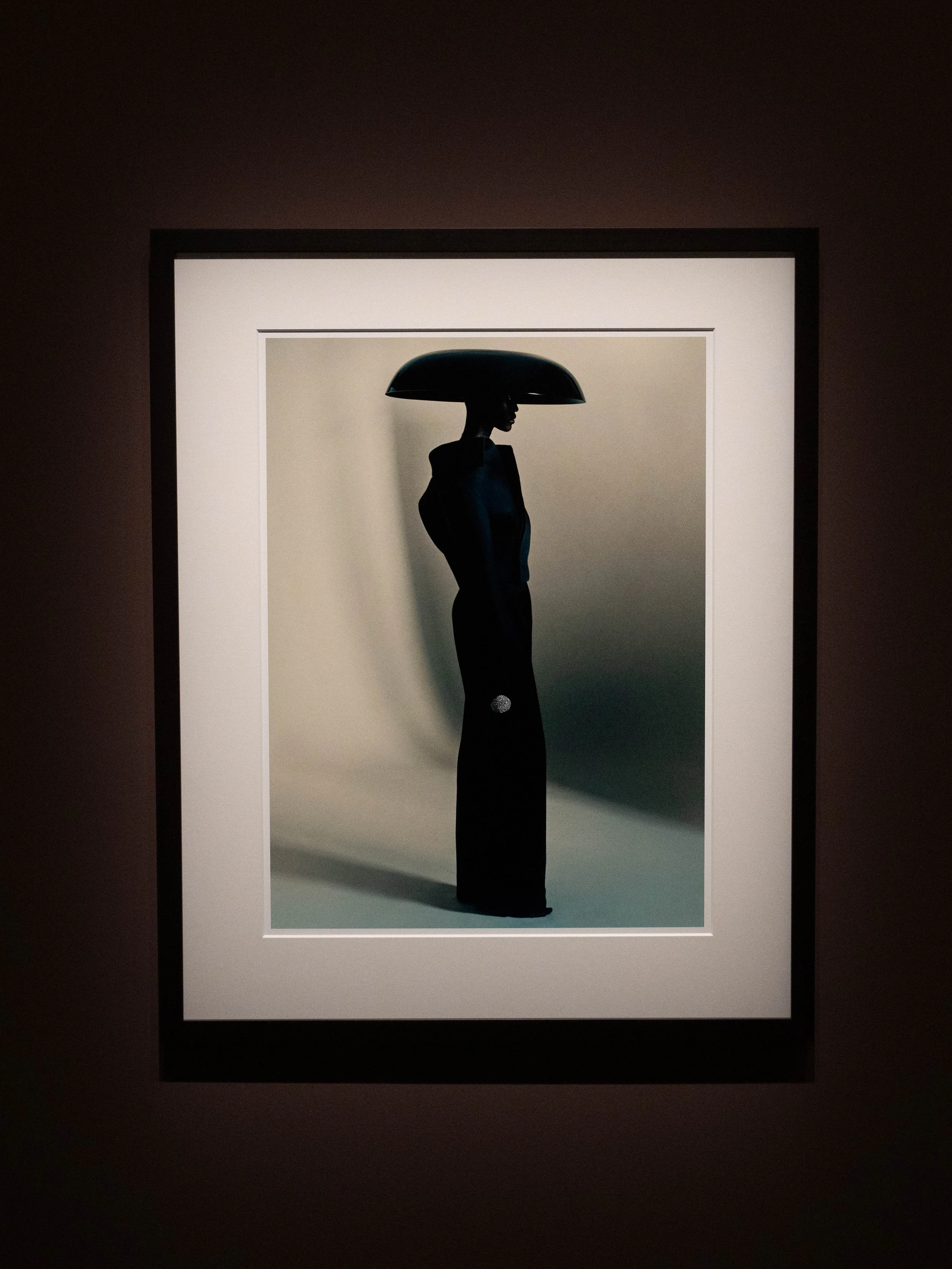
I’ve always been drawn to Roversi’s work, partly because it feels so different from the idea I have in my head of what fashion photography is supposed to be. There is obviously fashion everywhere in his work: Dior, Comme des Garçons, Yohji Yamamoto, Yves Saint Laurent, Valentino, Armani, Chanel… but the photographs rarely feel as though the clothes are the most important thing in the room…There is something much more intimate going on.
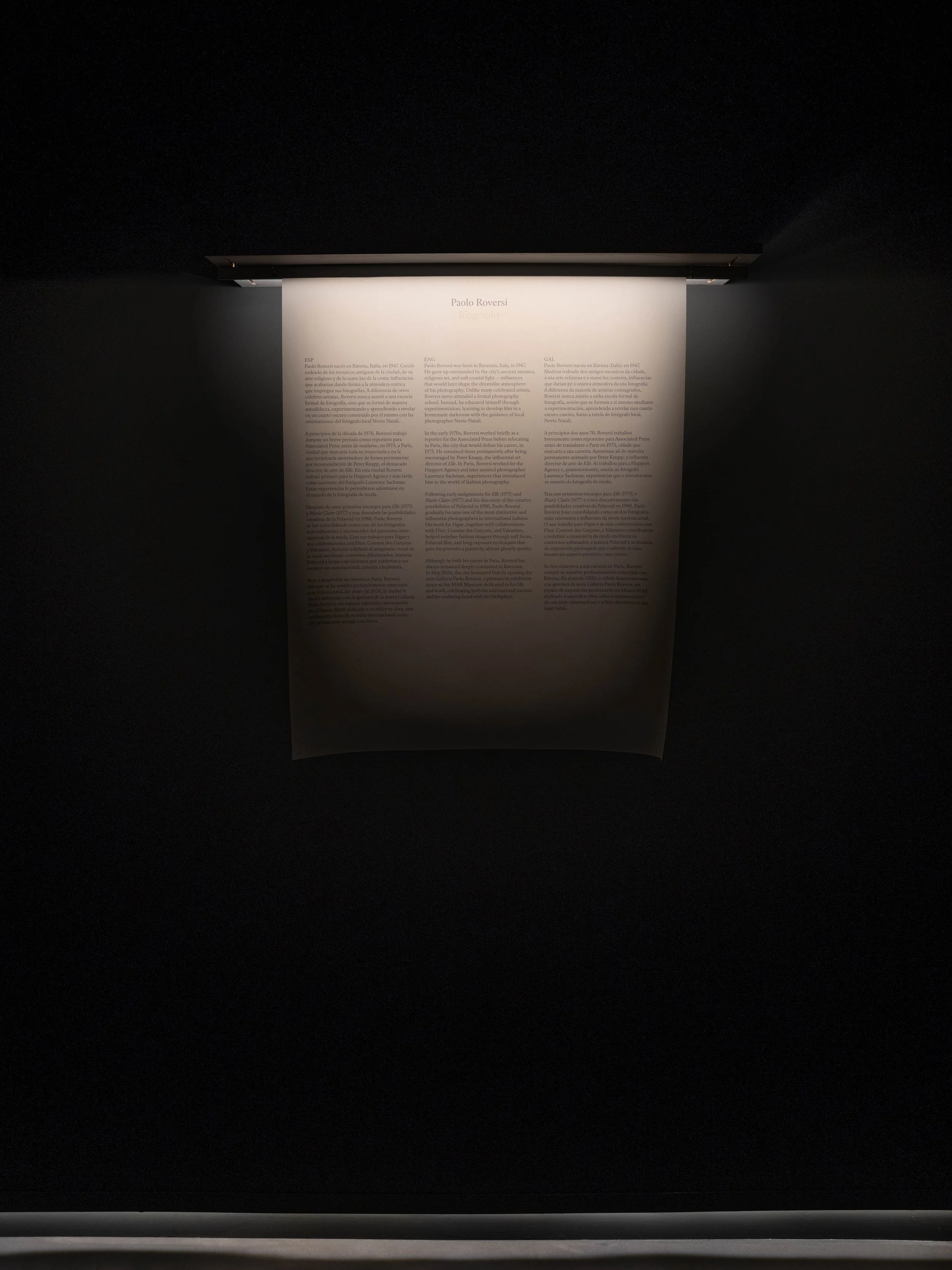
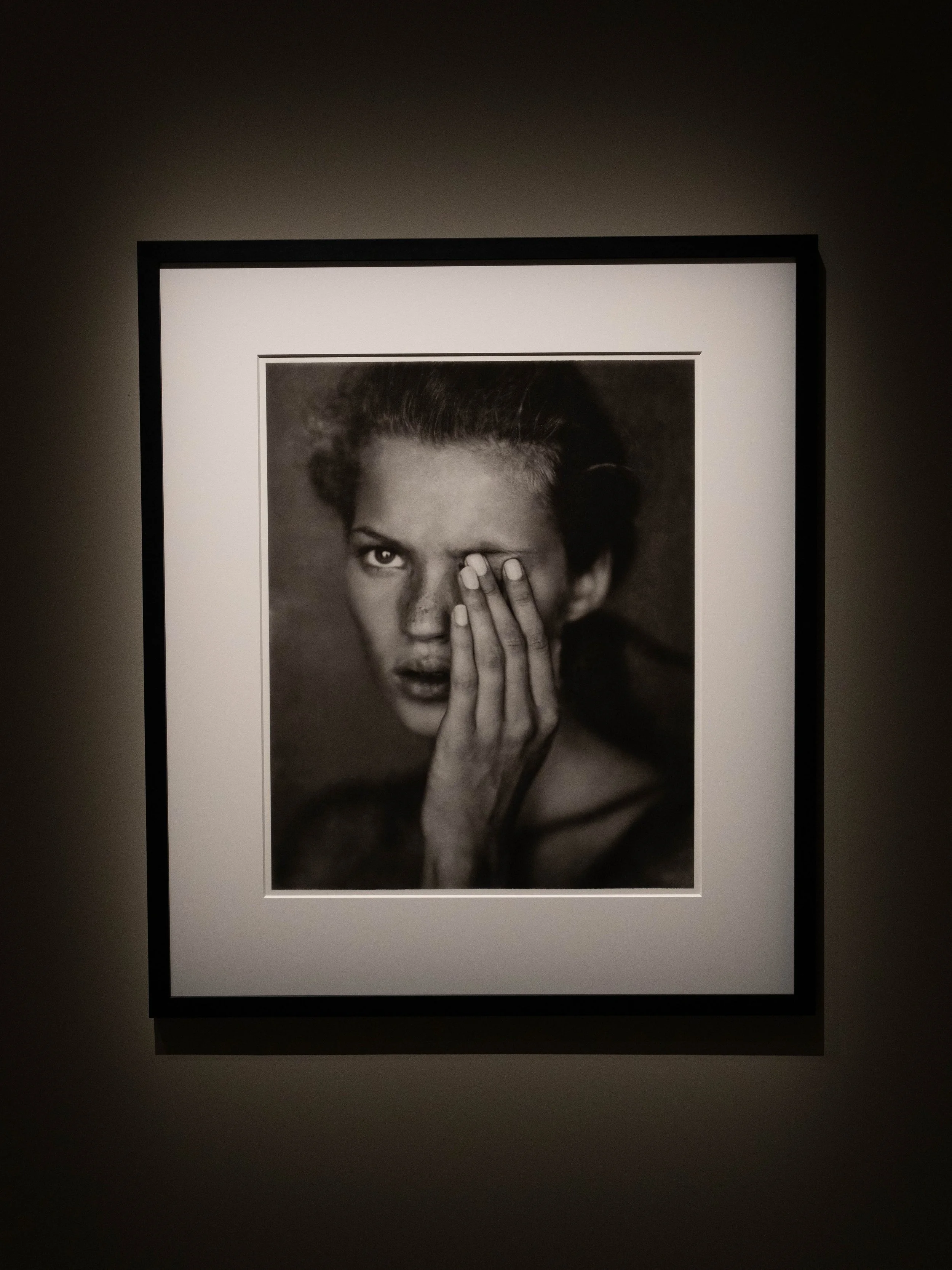
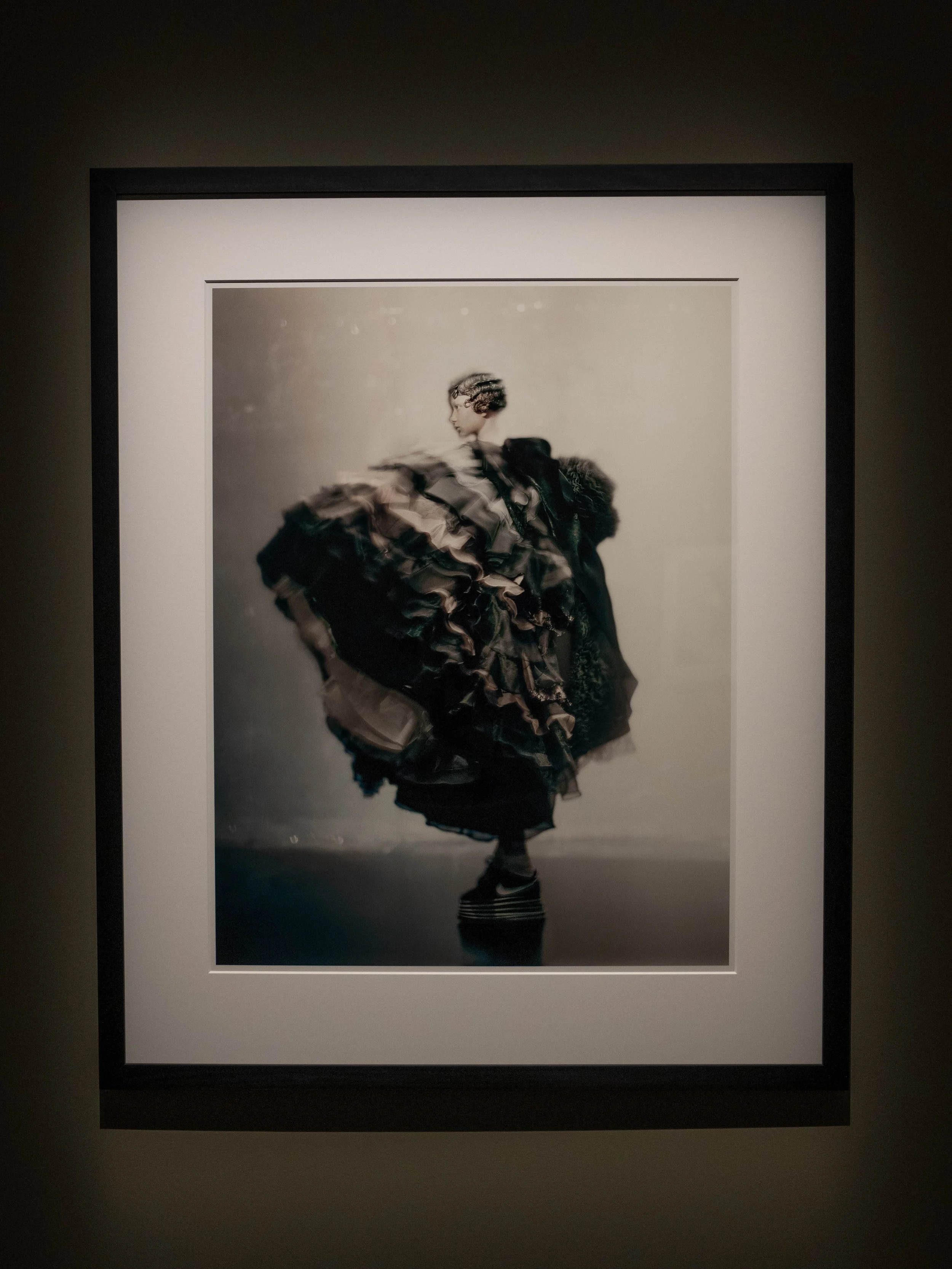
Roversi was born in Ravenna and has been based in Paris since the 1970s. Over more than four decades, he has developed a way of photographing people that is immediately recognisable: soft, atmospheric, sometimes blurred, often incredibly quiet. His photographs can feel almost like paintings, although I think calling them that misses something important about them.
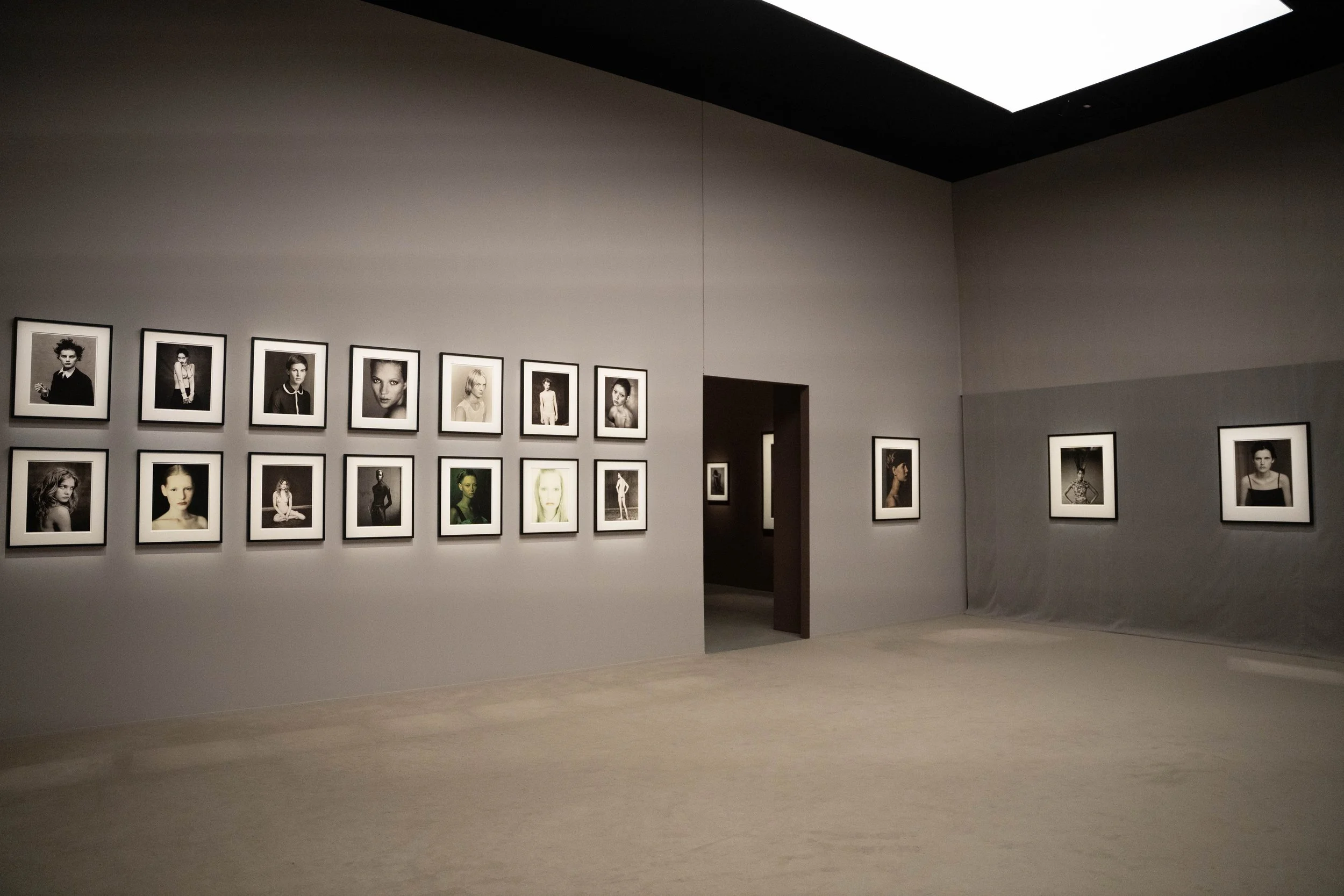
And even when the person is someone you recognize immediately; Kate Moss, Stella Tennant, Natalia Vodianova, Saskia de Brauw -to name a few- there is often something slightly elusive about the image. They don’t always look like fashion photographs in the conventional sense. They look like someone has caught a moment that perhaps wasn’t supposed to be seen.
That’s probably what I like most about them.
Roversi has always been interested in experimentation, too. He became fascinated with large-format Polaroid in the early 1980s and has continued to use it throughout his career. He has played with long exposures, movement, focus and light, and has never seemed particularly interested in hiding the accidents that can happen when you stop trying to control every part of the process.
There was even an accidental processing experiment in 1990 that produced a colour negative from black-and-white Polaroid material.
Most people would probably have considered that a mistake.
Roversi considered it interesting.
There’s something very appealing about that attitude, particularly in an industry as obsessed with perfection as fashion. So much of what makes his photographs beautiful is precisely the fact that they don’t feel completely resolved.
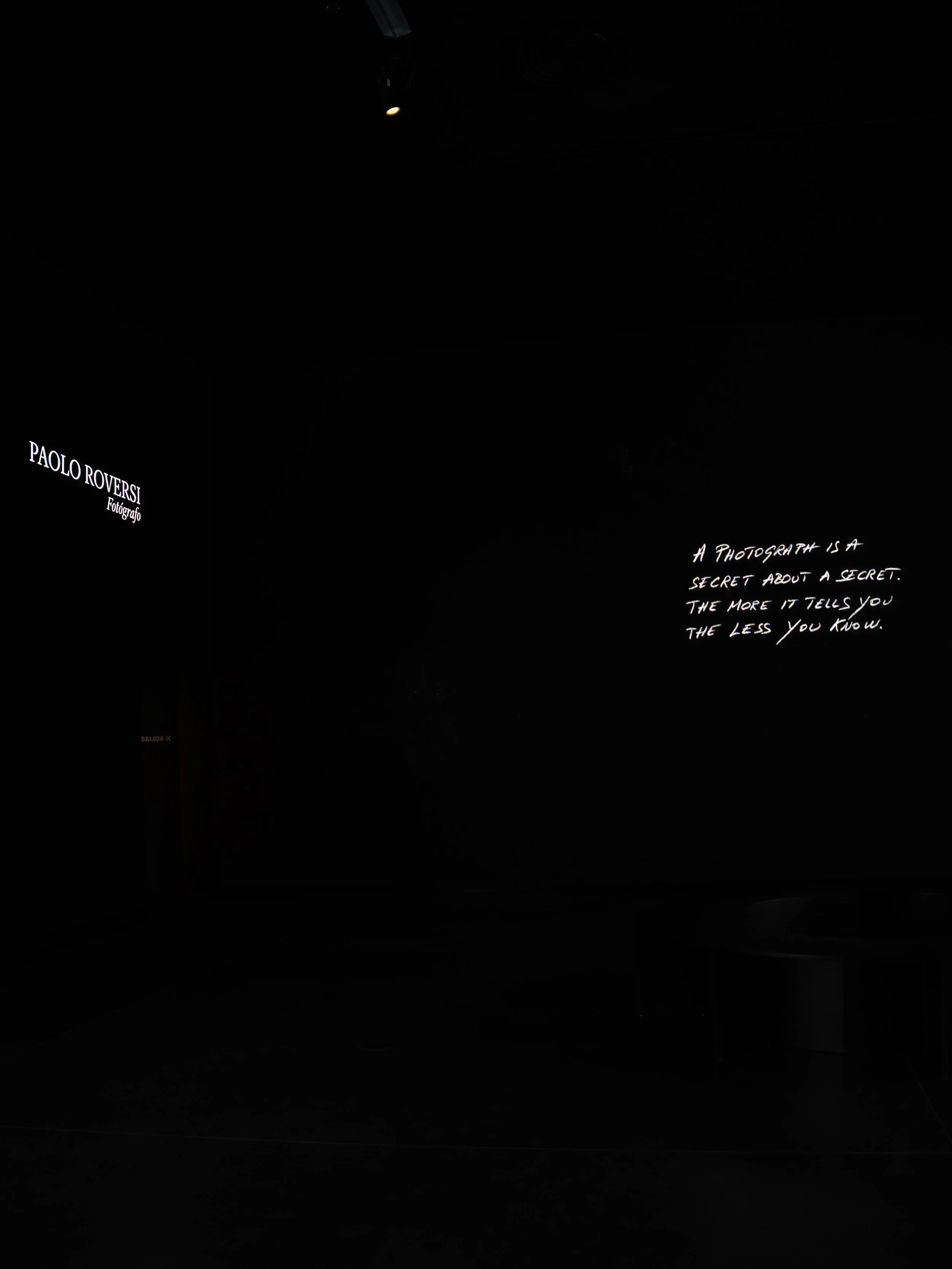
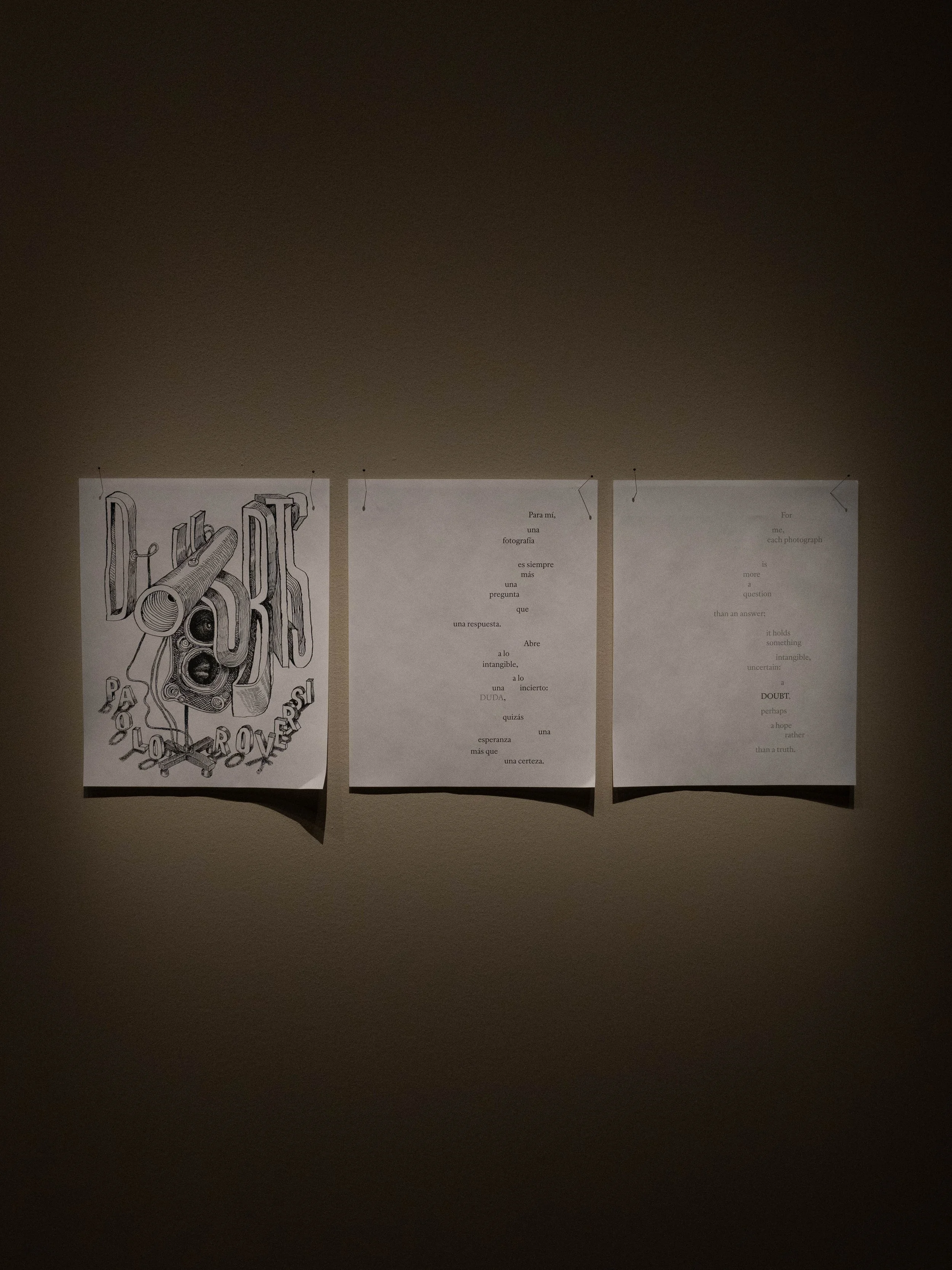
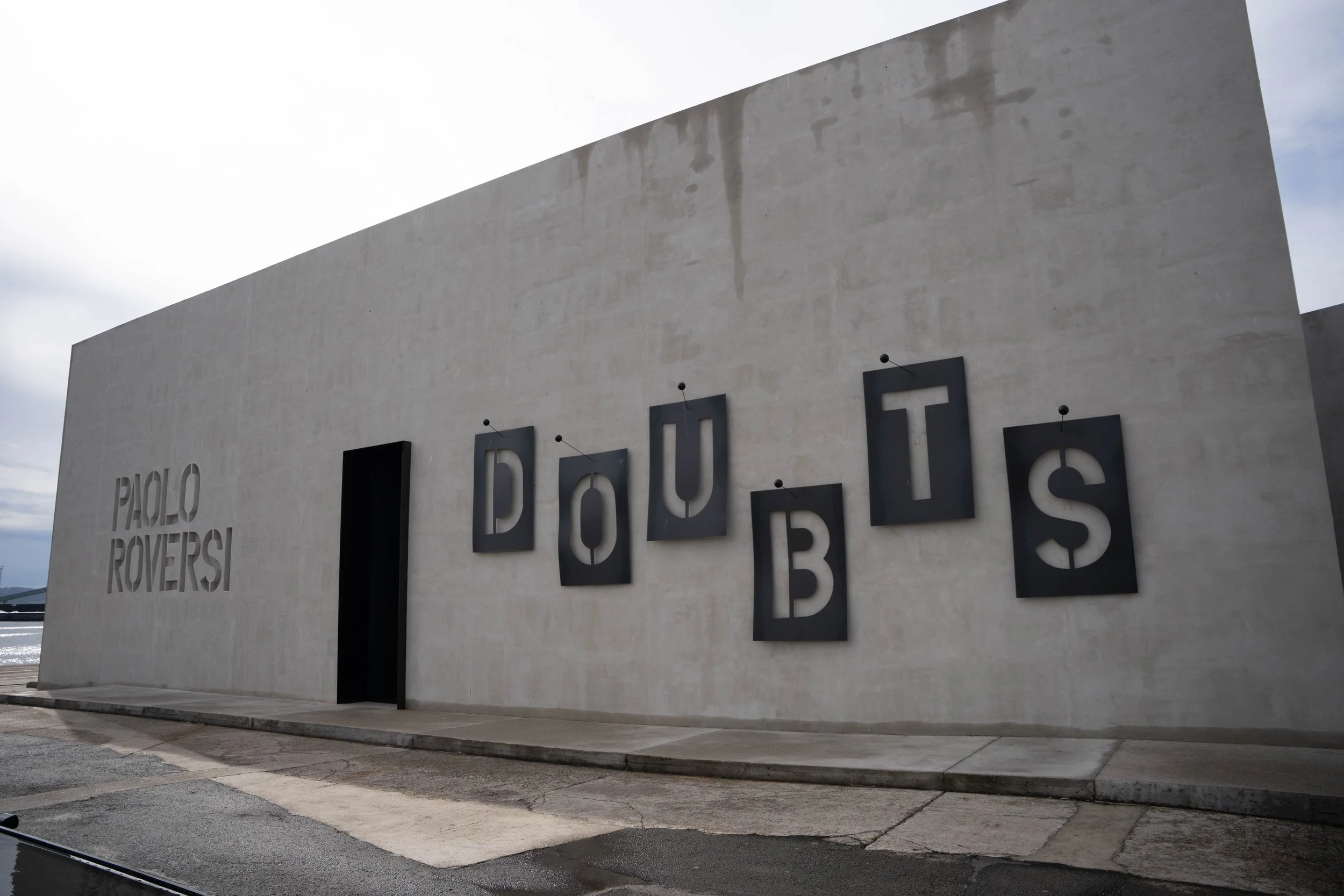
Which is probably why Doubts is such a good title.
Roversi talks about doubt as an opening rather than an obstacle, something that allows creativity and imagination to happen. Certainty, on the other hand, closes things down.
I completely understand that, and think that many times I get trapped in the latter.
I think there’s something quite uncomfortable about admitting that you don’t know exactly what you’re doing, but also something liberating about it. And looking at Roversi’s work, you can see how much can happen when you leave a little room for uncertainty.
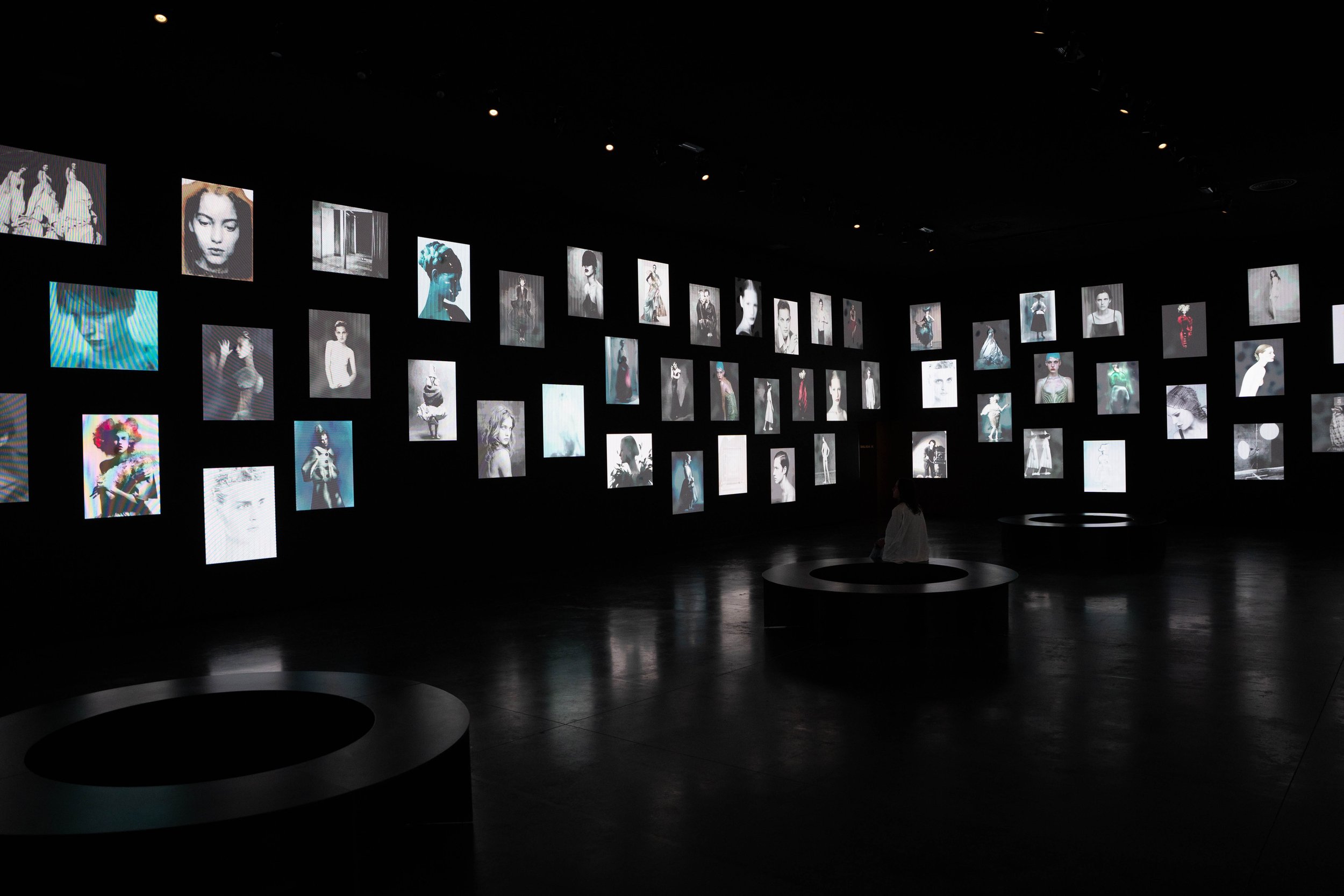
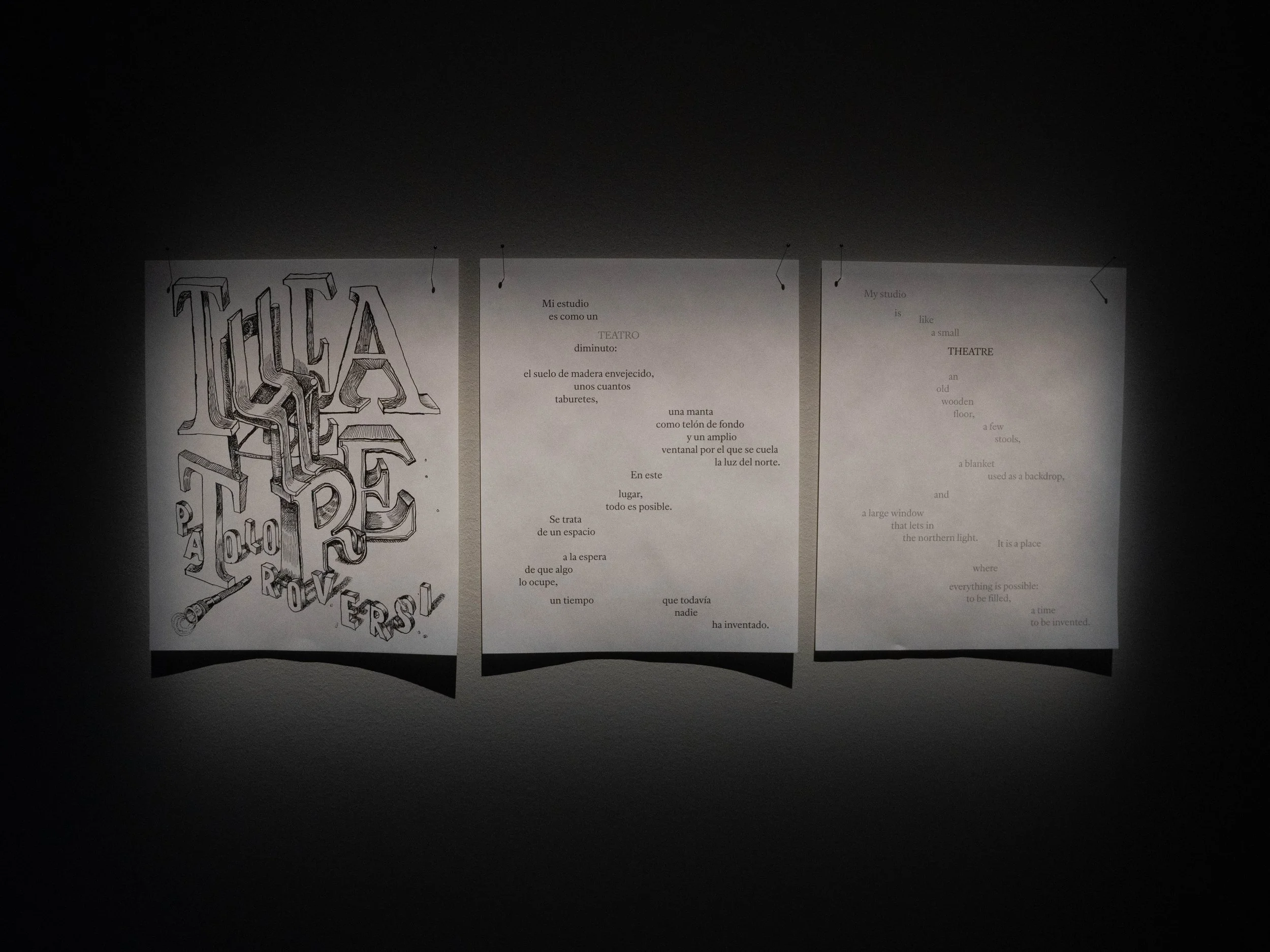
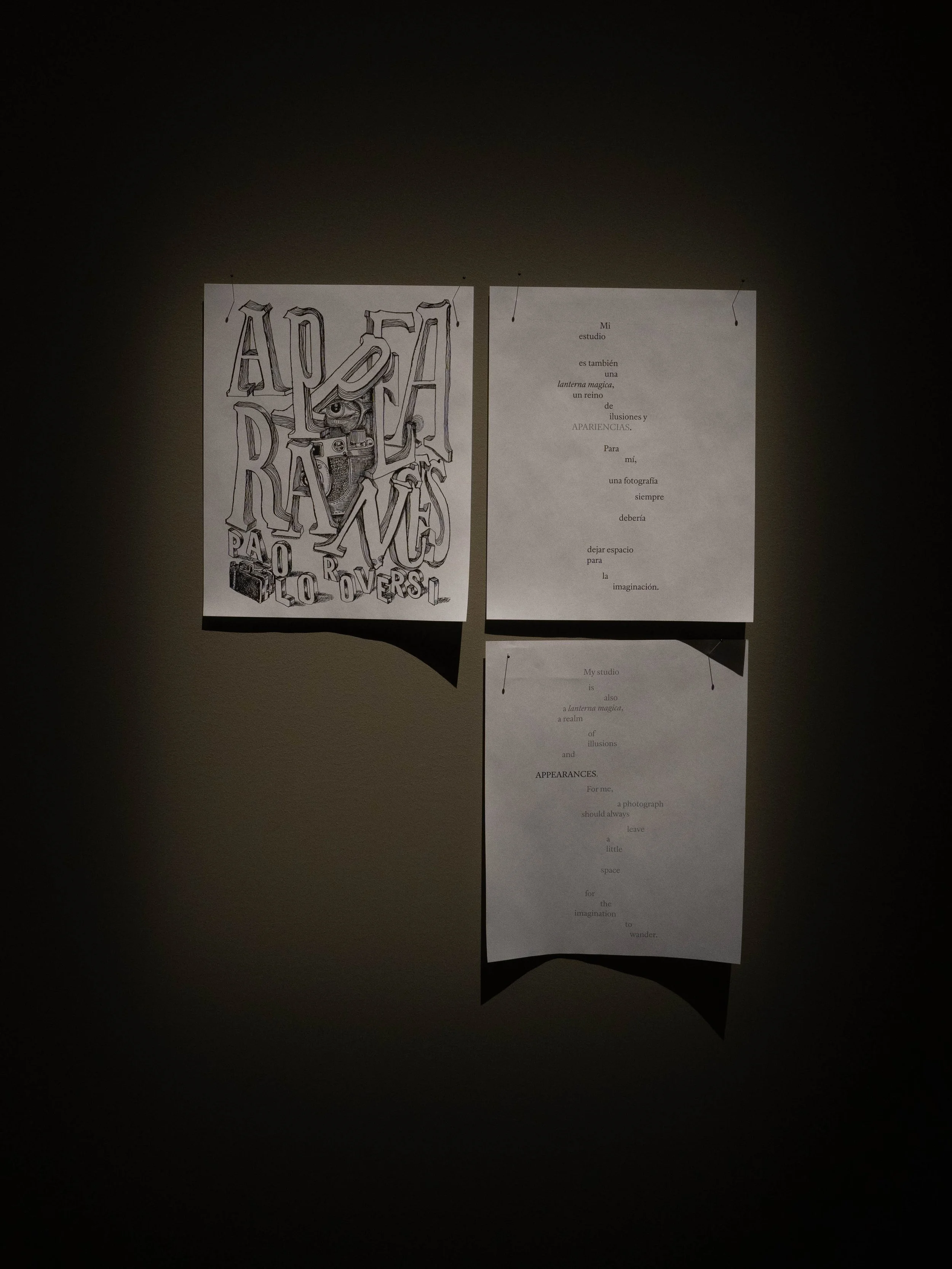
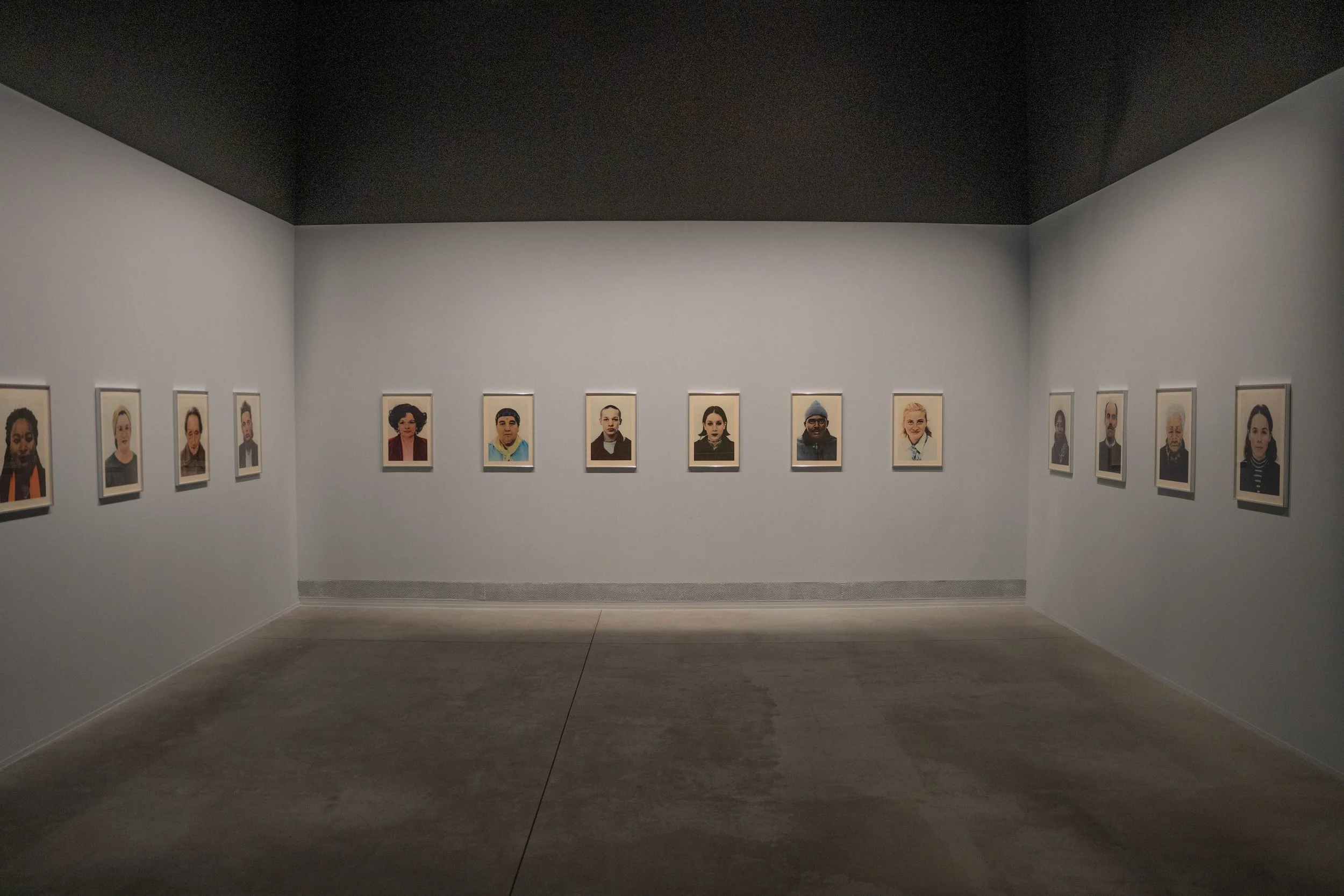
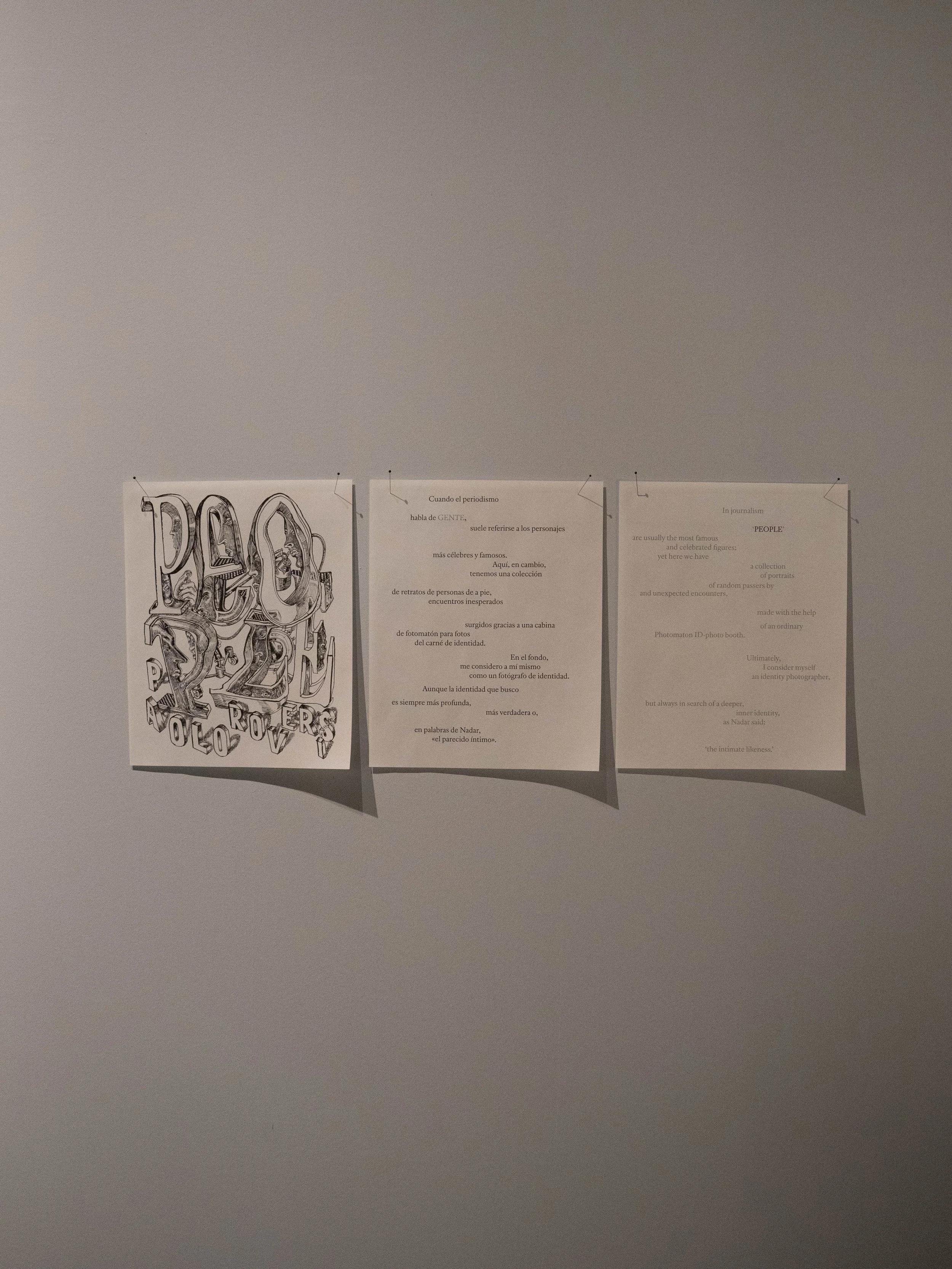
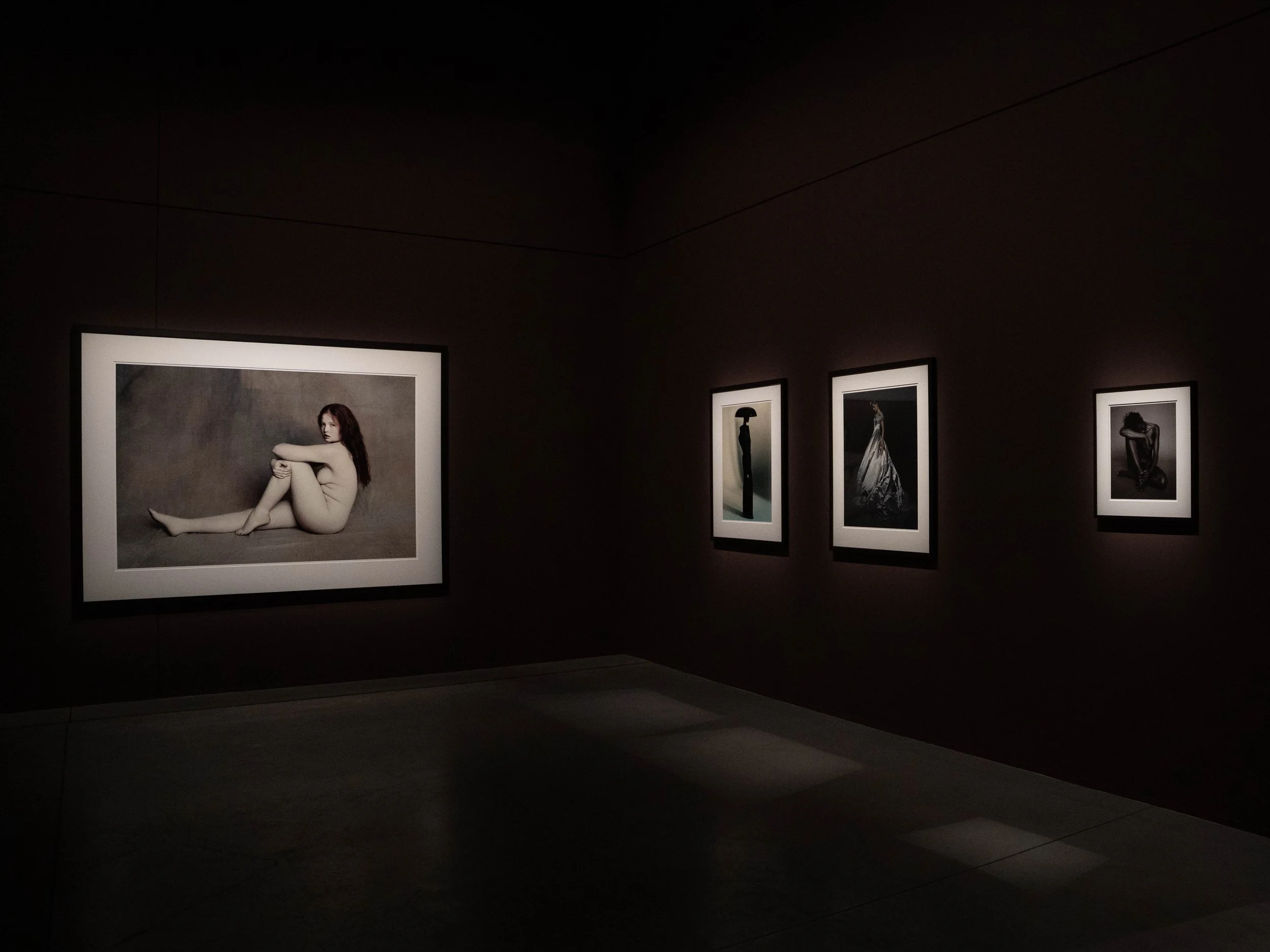
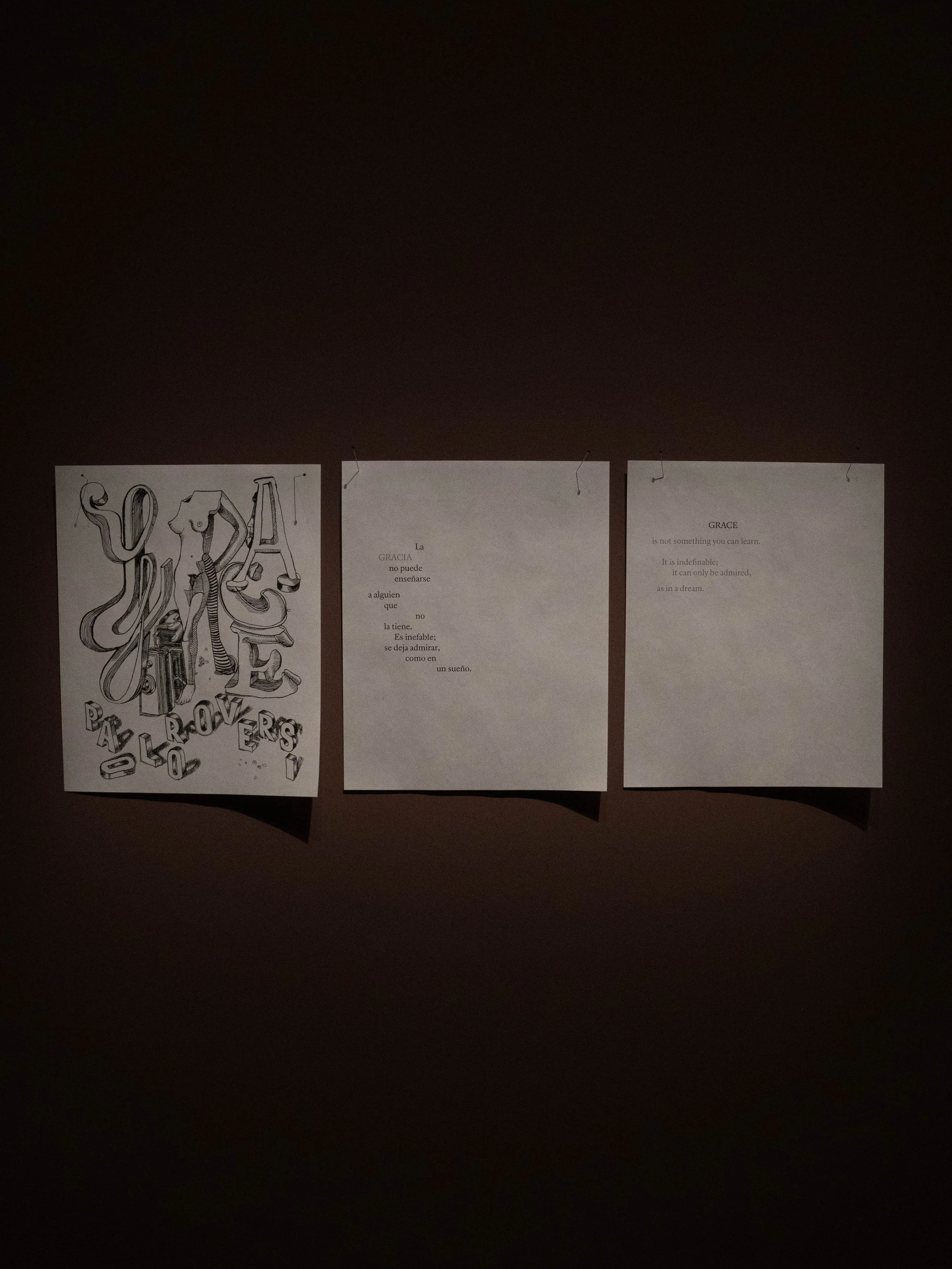
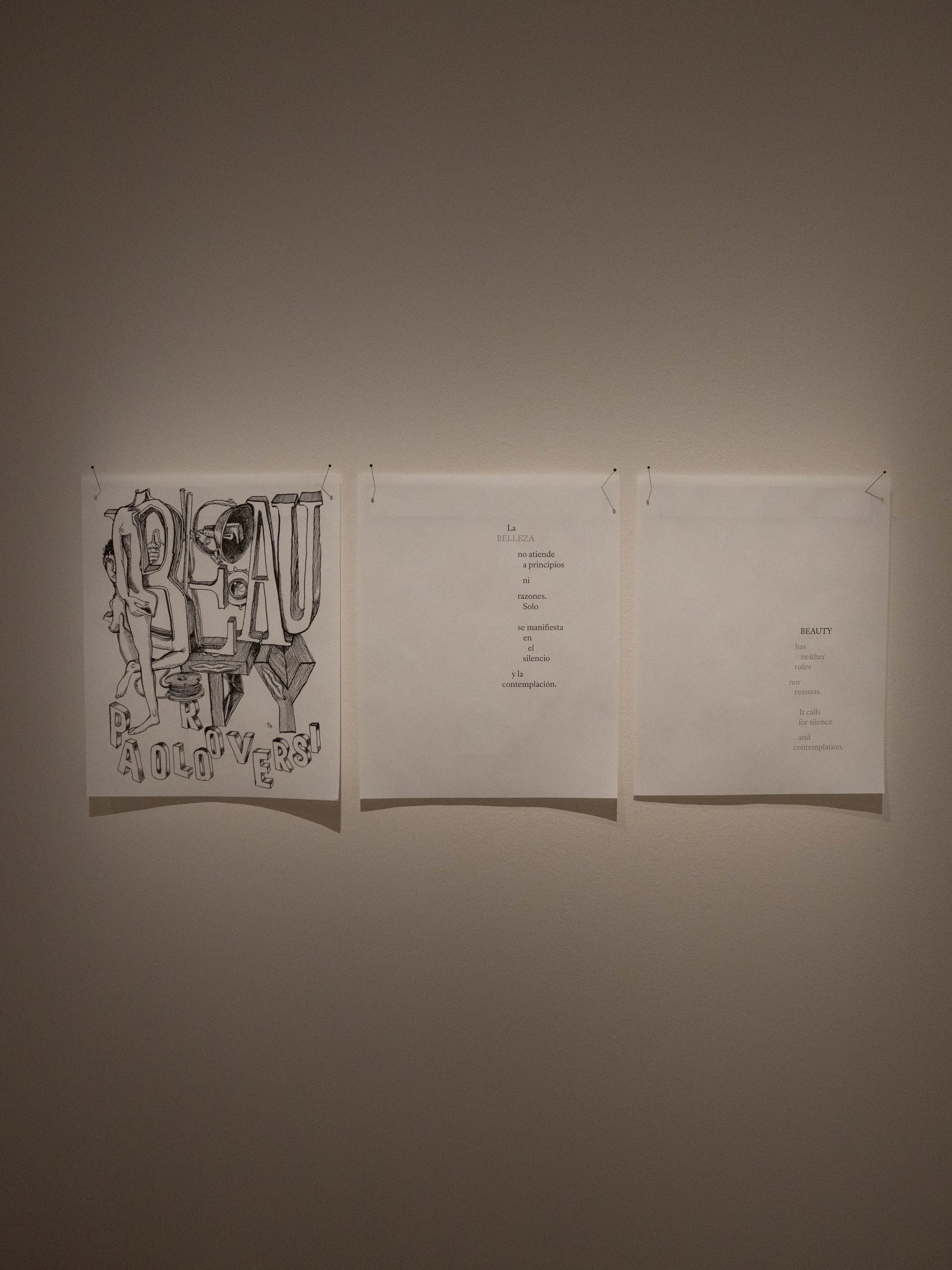
The exhibition is organised around that idea. Rather than taking you chronologically through his career, Doubts moves through nine spaces: Theatre, Appearances, Shadows, Doubts, People, Presence, Grace, Beauty and Fading.
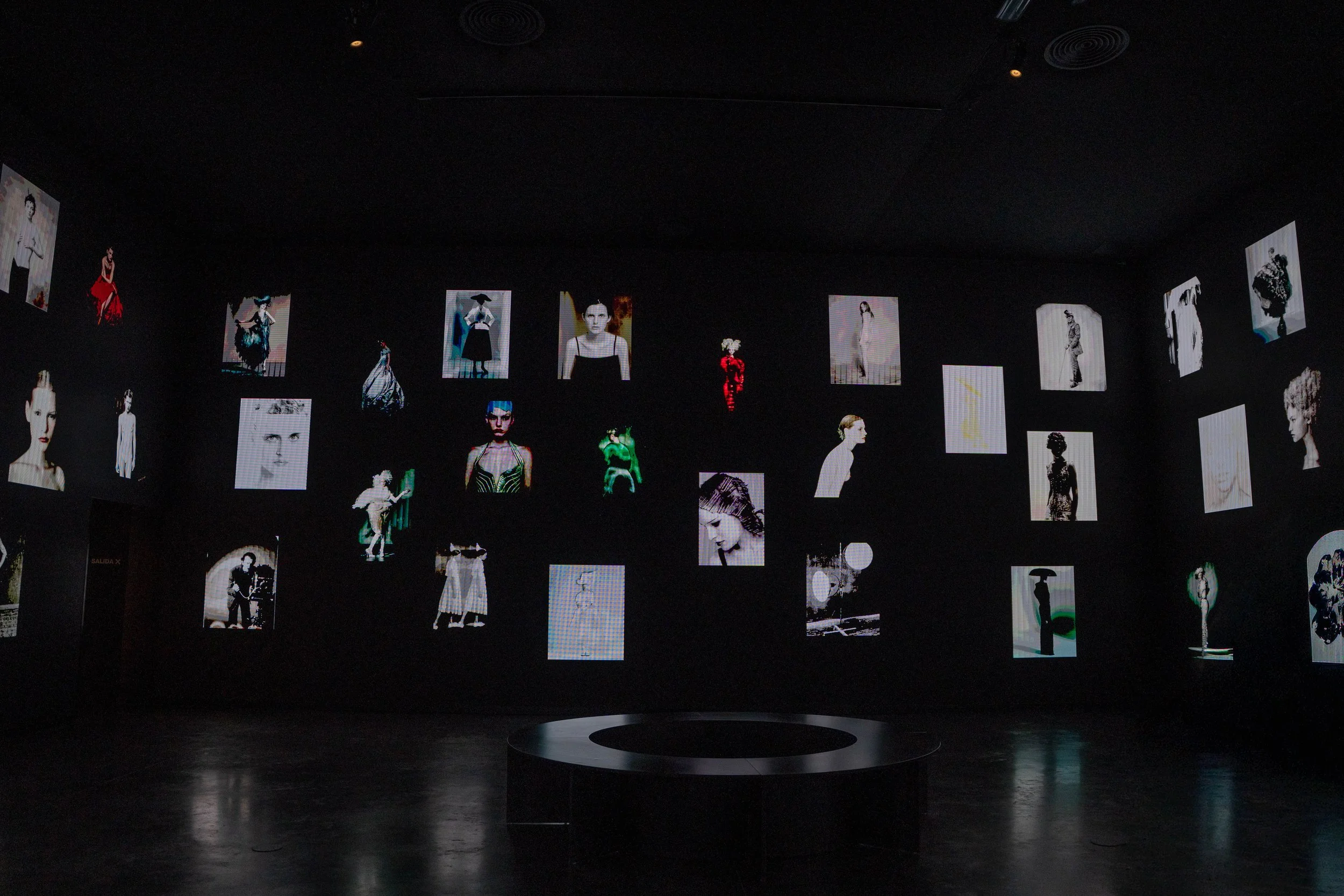
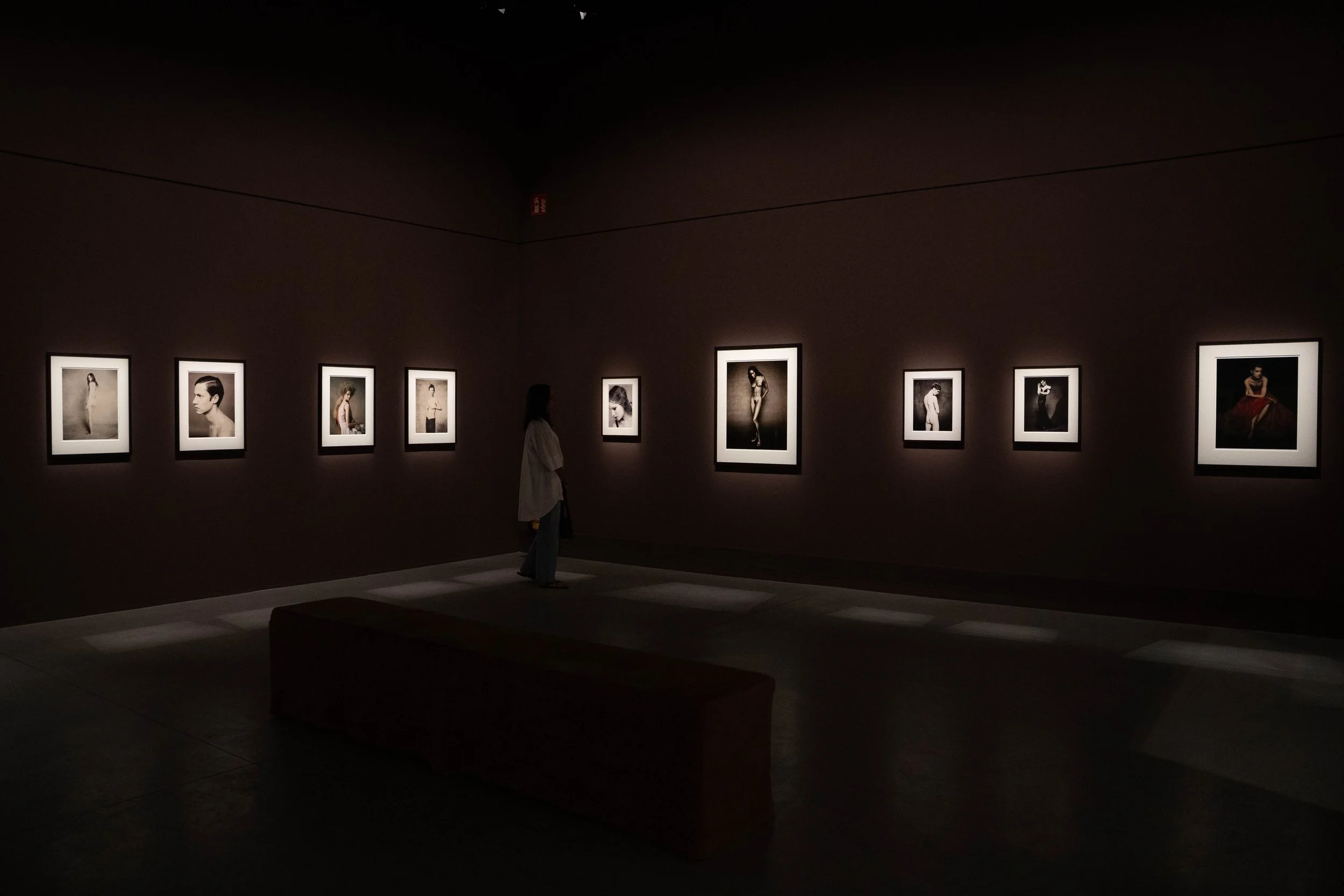
There are around 196 works, including many of his best-known photographs as well as images that have never previously been exhibited.
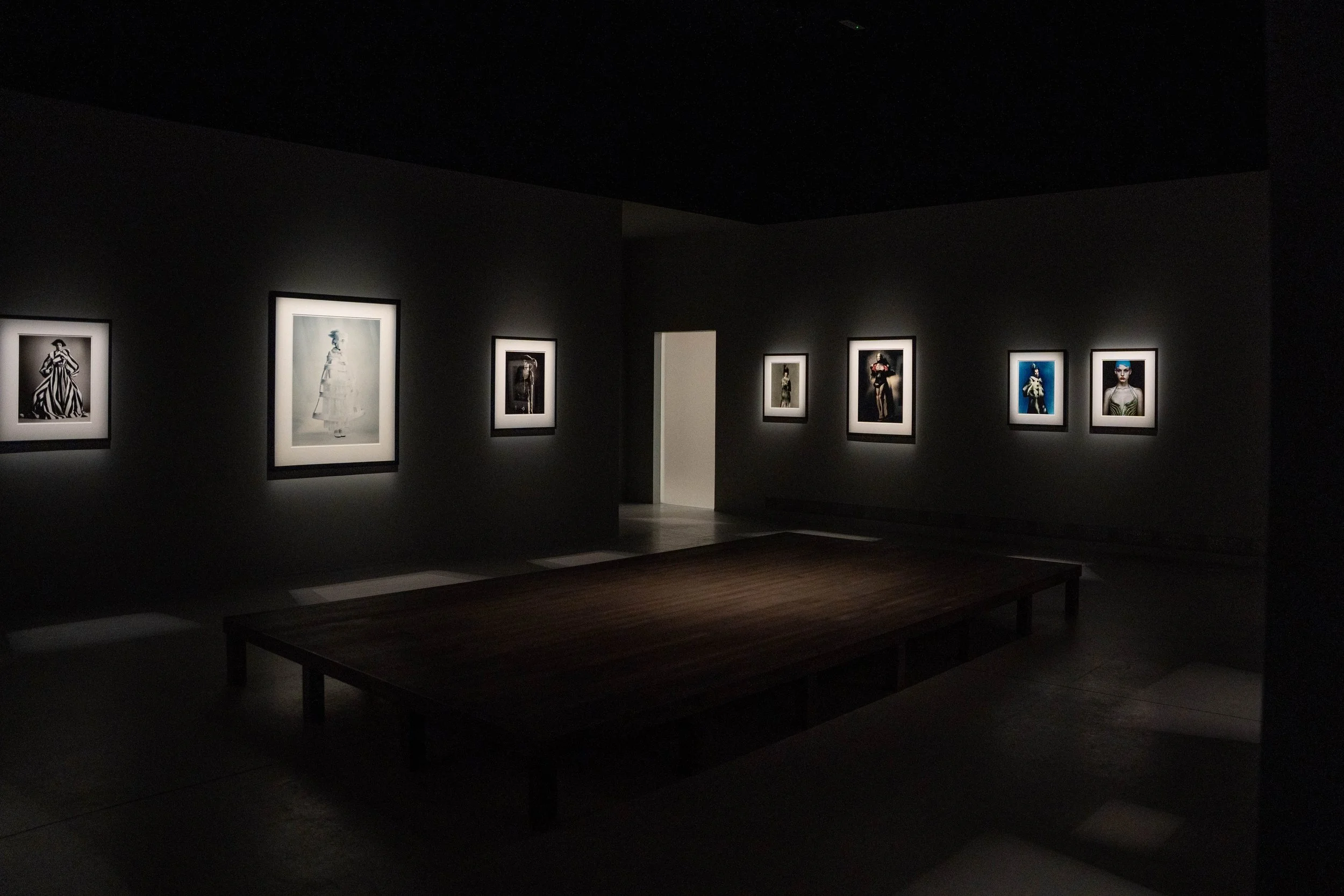
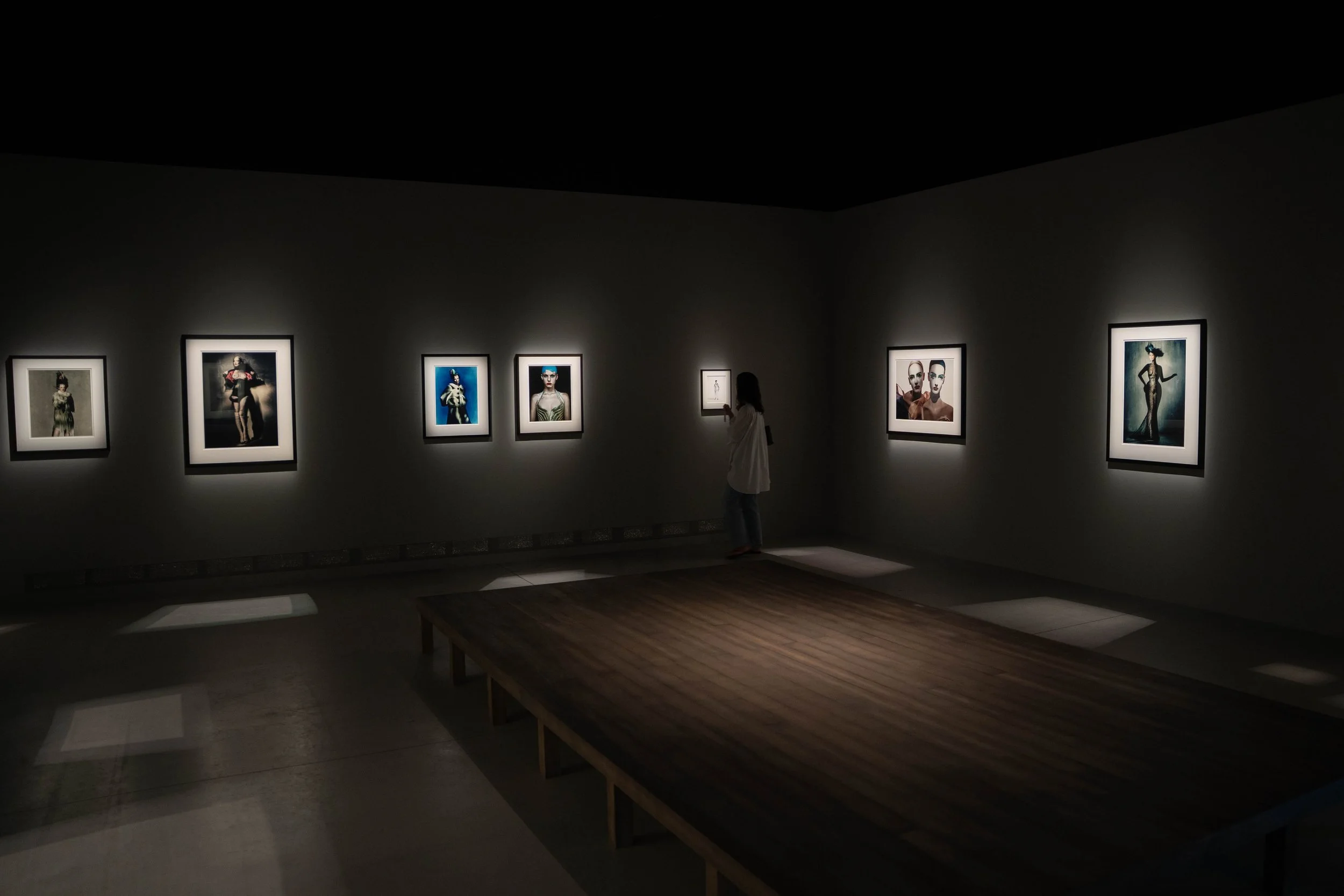
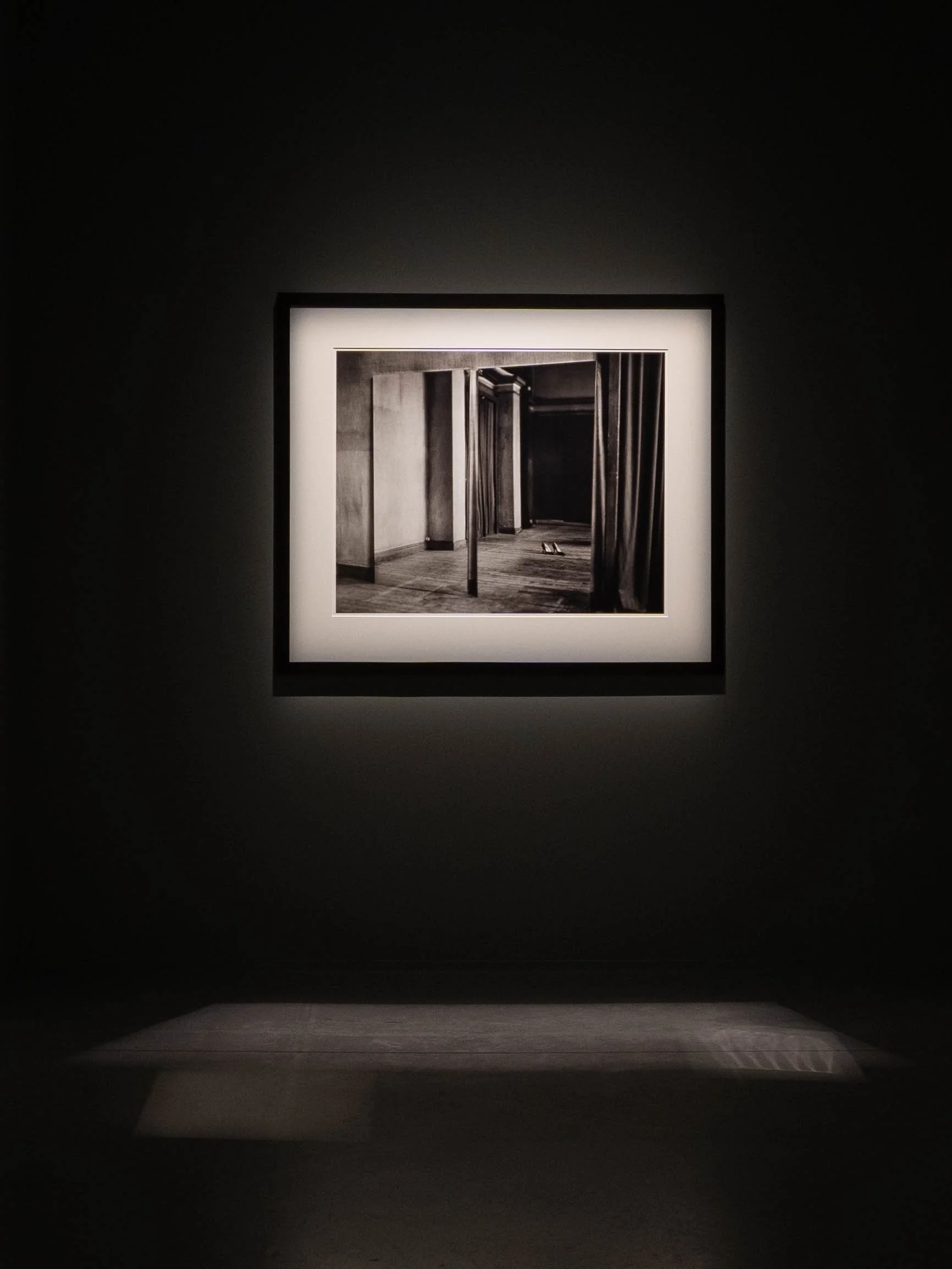
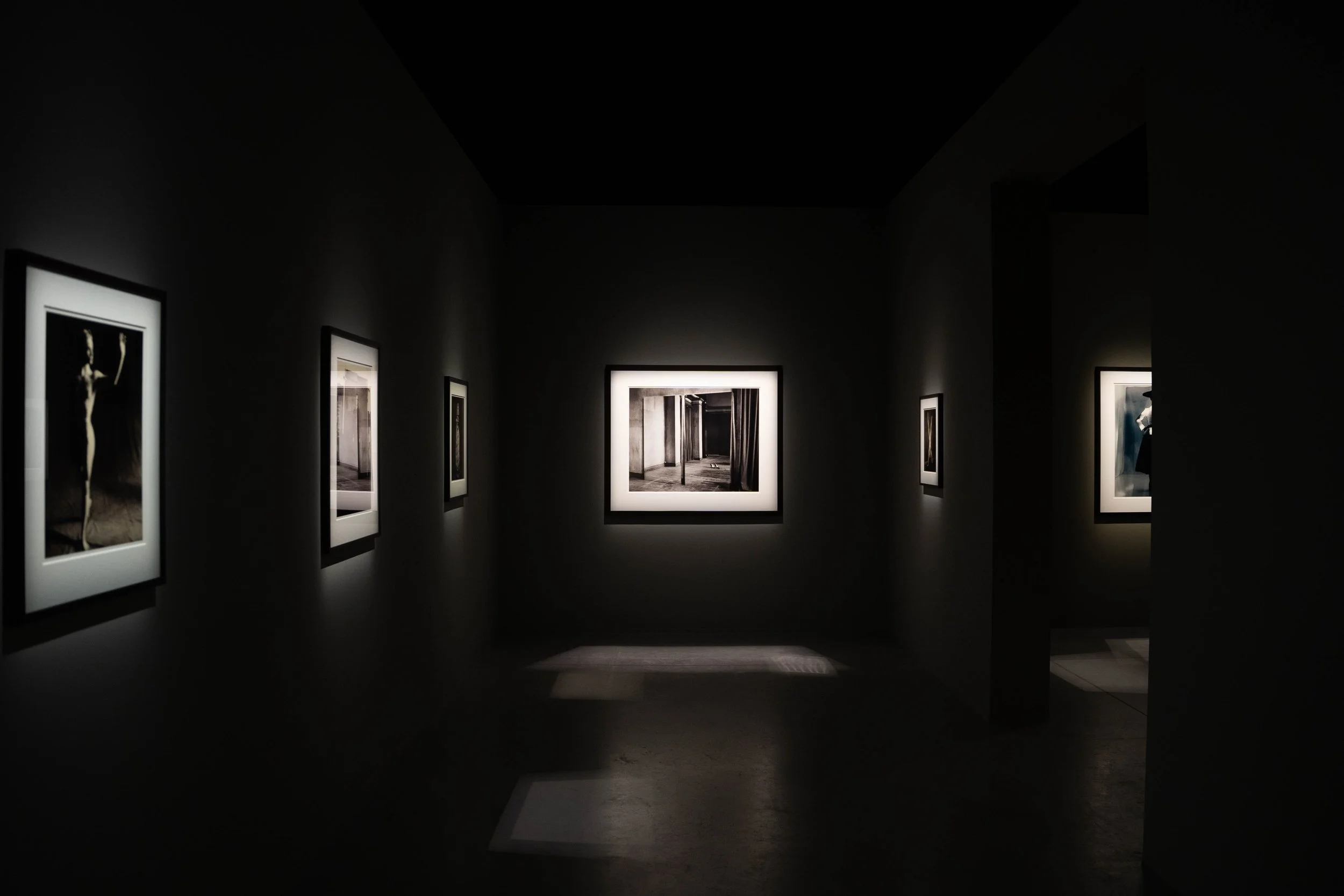
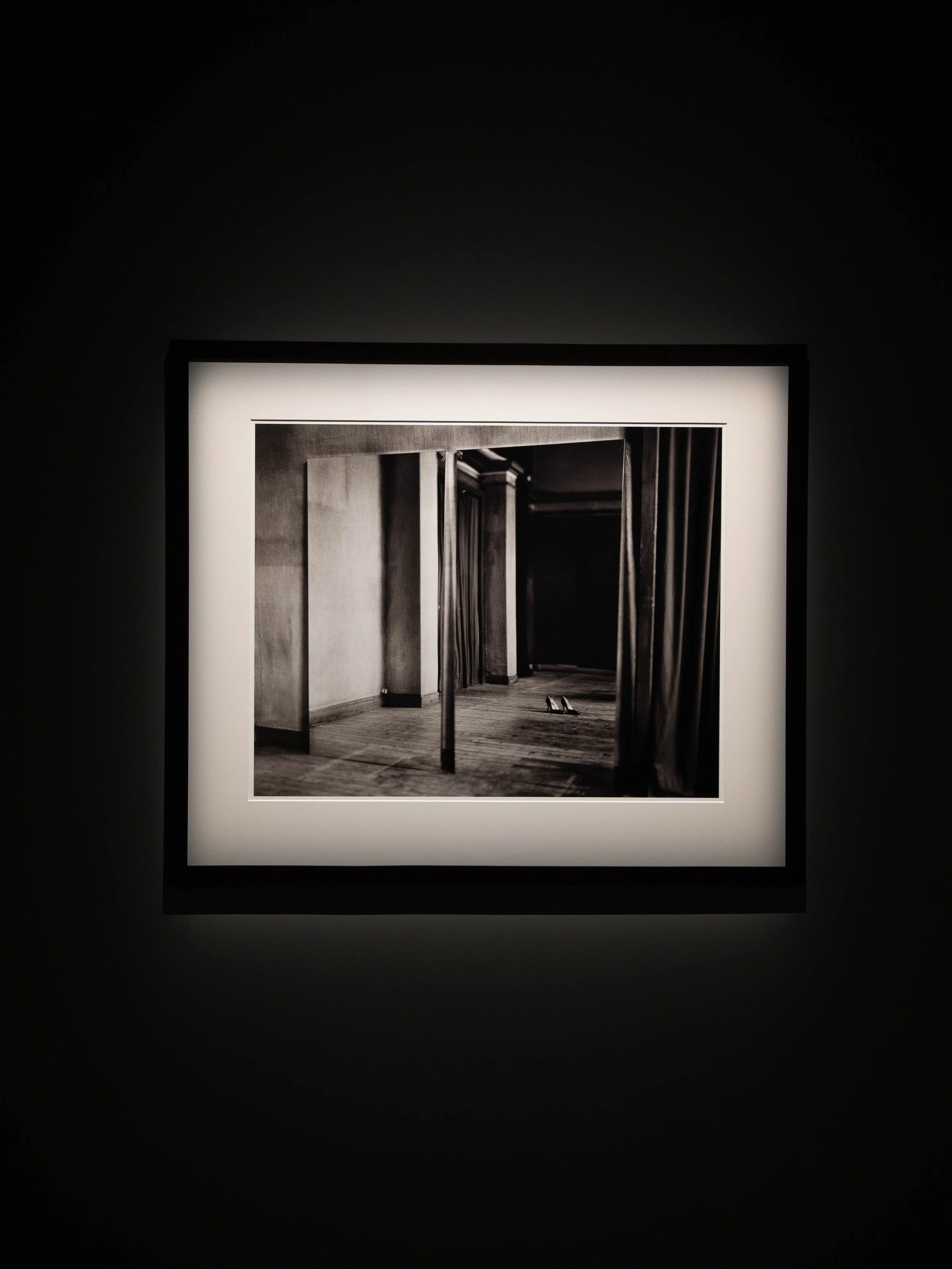
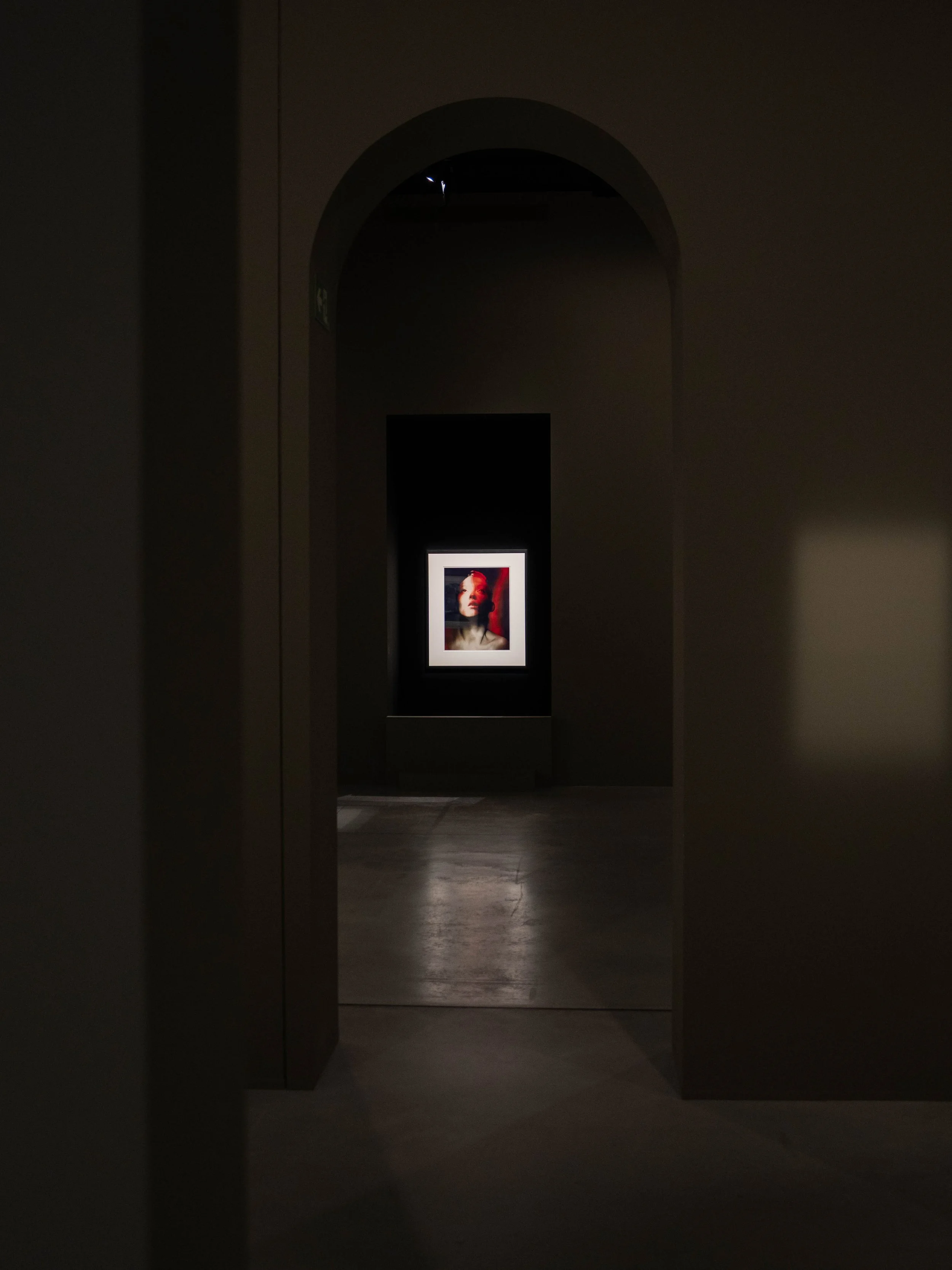
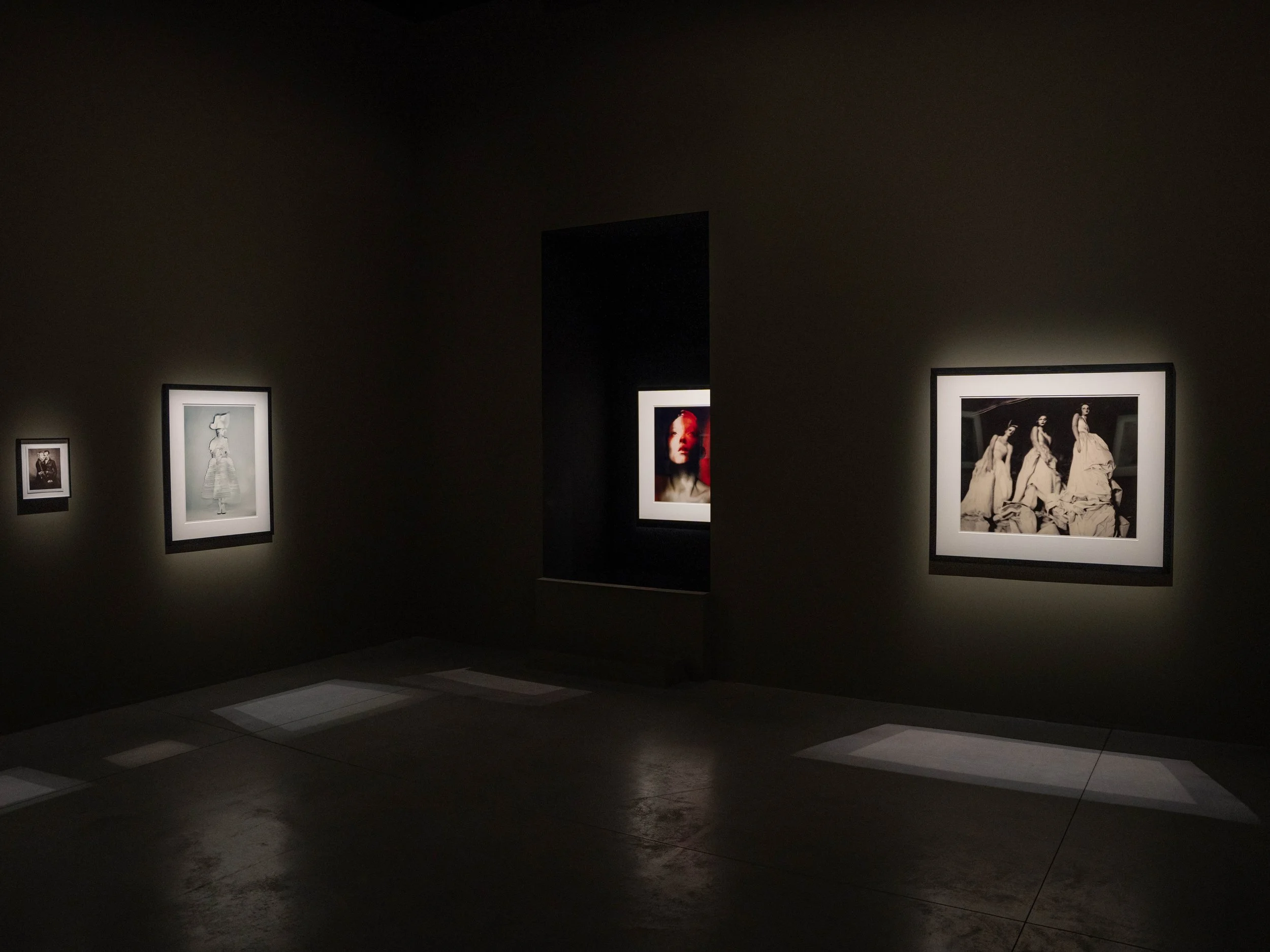
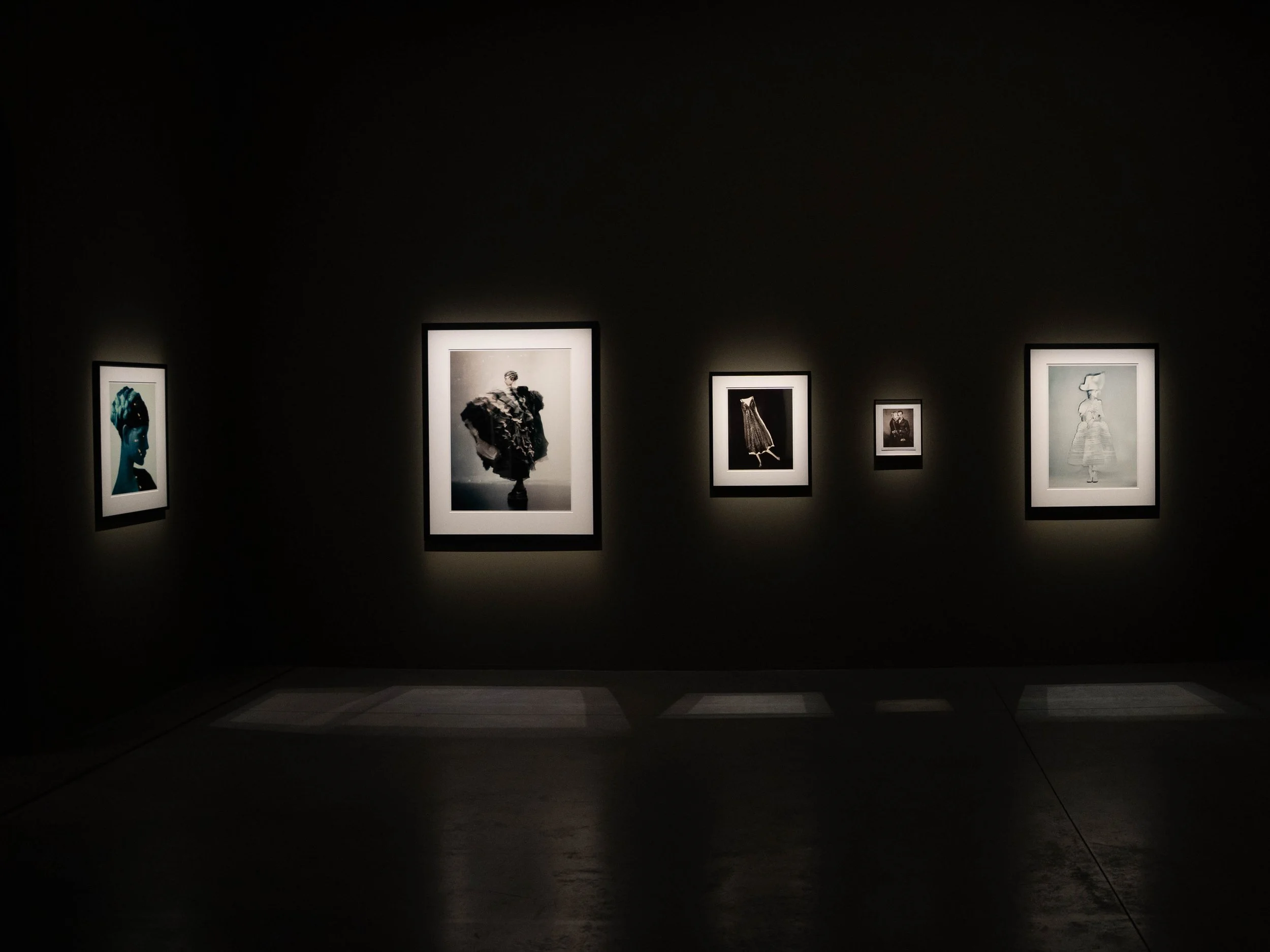
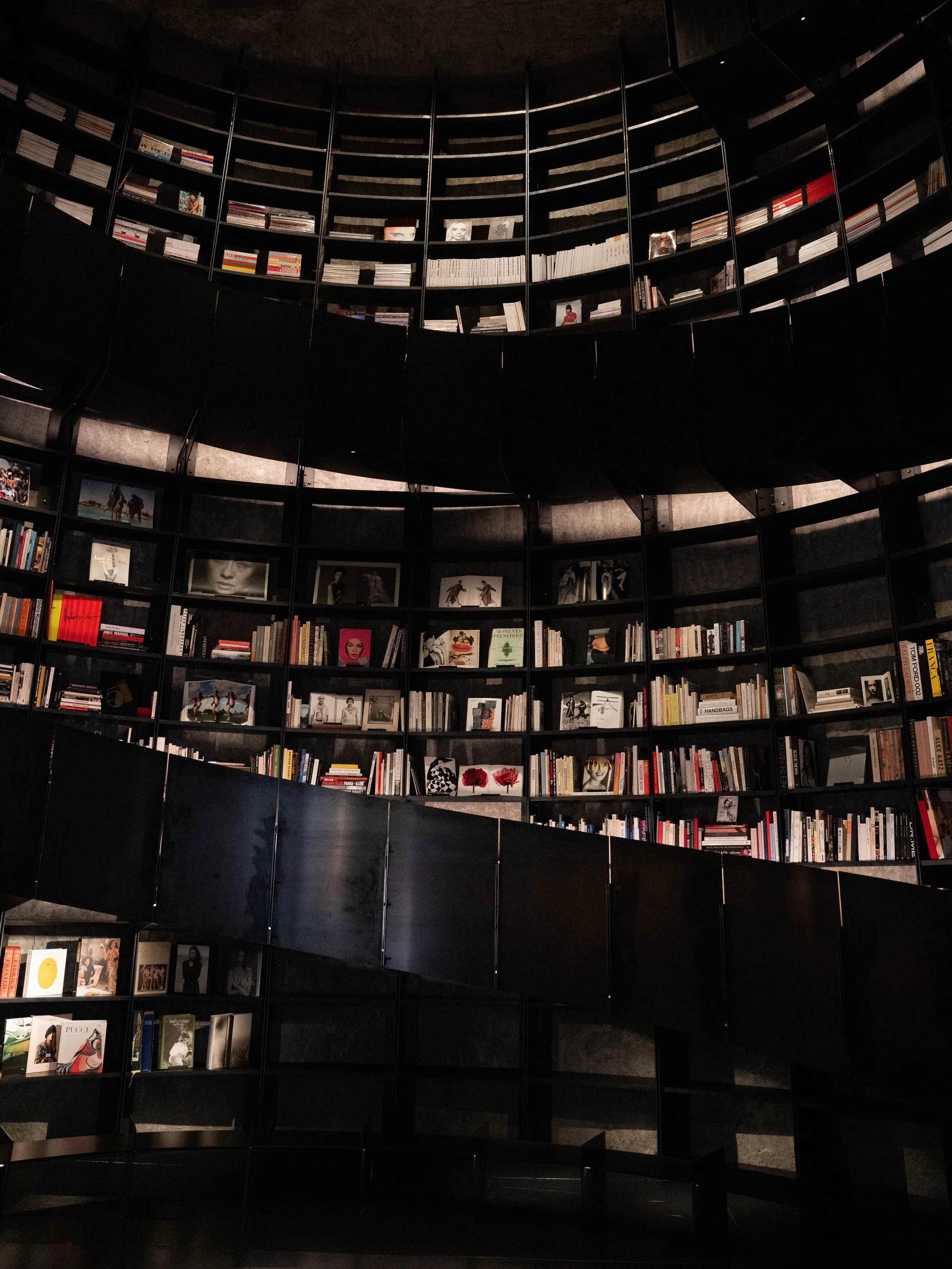
But, for me, the most interesting part of the exhibition isn’t really the number of photographs or even the way they are organised. It’s the darkness. The MOP has created a series of rooms where the surrounding space almost disappears. You walk into the darkness and then suddenly there is a photograph, lit on its own.
I found myself spending much longer looking at the pictures than I normally would in an exhibition. Partly because there was nothing else to look at, obviously, but also because the darkness changes the way you see the work. Your eyes adjust and you become much more aware of the light in the photograph itself.
And that made Roversi’s work even more impactful. His photographs are so much about light and shadow that it would have seemed almost wrong to put them on a brightly lit white wall and expect them to do all the work themselves.
I also think the MOP building makes the exhibition much better than it would be in a more conventional gallery. There’s something I really enjoy about the contrast between the roughness of the old port building and the delicacy of Roversi’s photographs. Concrete and timber, darkness and enormous open spaces, next to these incredibly soft images of people who have spent their careers being photographed.
We have become so accustomed to thinking that the important exhibitions are somewhere else. If you want to see great photography, or fashion you go to Paris. If you want fashion, you go to Milan. If you want contemporary art, you go to London or New York.
But then you have something like the MOP happening in A Coruña, and suddenly you don't have to go anywhere. This time, you can just go to Galicia which is already something magnificent.
Paolo Roversi’s Doubts is at the MOP Foundation until September 20.
Admission is free